
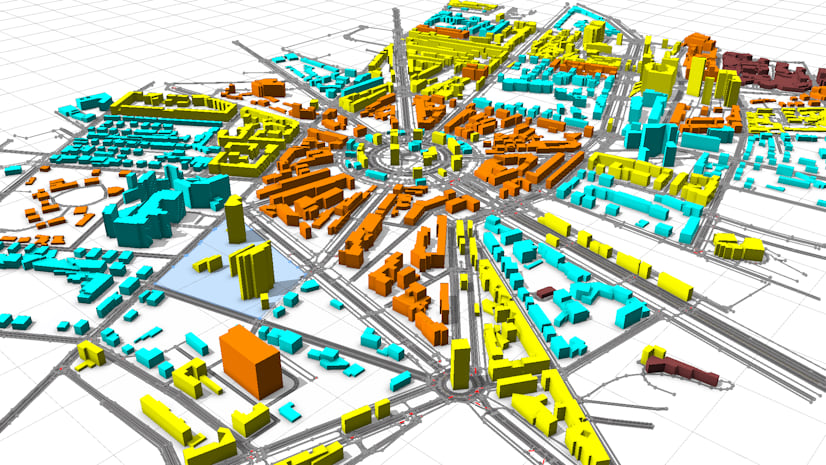
The Future of Urban Development
Urban planning is undergoing a transformation with the integration of AI technology. This innovative approach aims to create more sustainable, livable, and efficient cities by leveraging machine learning and data-driven insights. AI-assisted urban planning has the potential to democratize the process, making it more accessible and transparent to communities.
Key Aspects of AI in Urban Planning
- AI can analyze complex data sets to optimize land use, transportation, and infrastructure
- Machine learning algorithms can generate multiple urban design scenarios based on specific criteria
- AI assistants can help planners apply best practices from exemplary cities to new developments
- The technology streamlines the massing studies phase, allowing for rapid iteration and evaluation
Addressing Urban Challenges
AI-assisted urban planning offers solutions to pressing issues facing modern cities:
- Climate change mitigation: Designing carbon-neutral and resilient urban environments
- Population growth: Efficiently accommodating the projected 68% of the world’s population in urban areas by 2050
- Sustainability: Creating green spaces, pedestrian-friendly zones, and efficient public transportation systems
- Equity: Ensuring equal access to resources and services across diverse communities
The Urban Massing Generator
This AI tool focuses on the critical massing studies phase of urban planning. It allows planners to:
- Define street networks and block attributes
- Generate initial massing models based on learned best practices
- Easily edit and refine plans for both greenfield and brownfield developments
- Optimize population distribution and facility placement
By combining human expertise with AI capabilities, urban planners can create more efficient, livable, and well-designed cities that meet the complex challenges of the 21st century.





