Revolutionizing Communication for the Non-Verbal
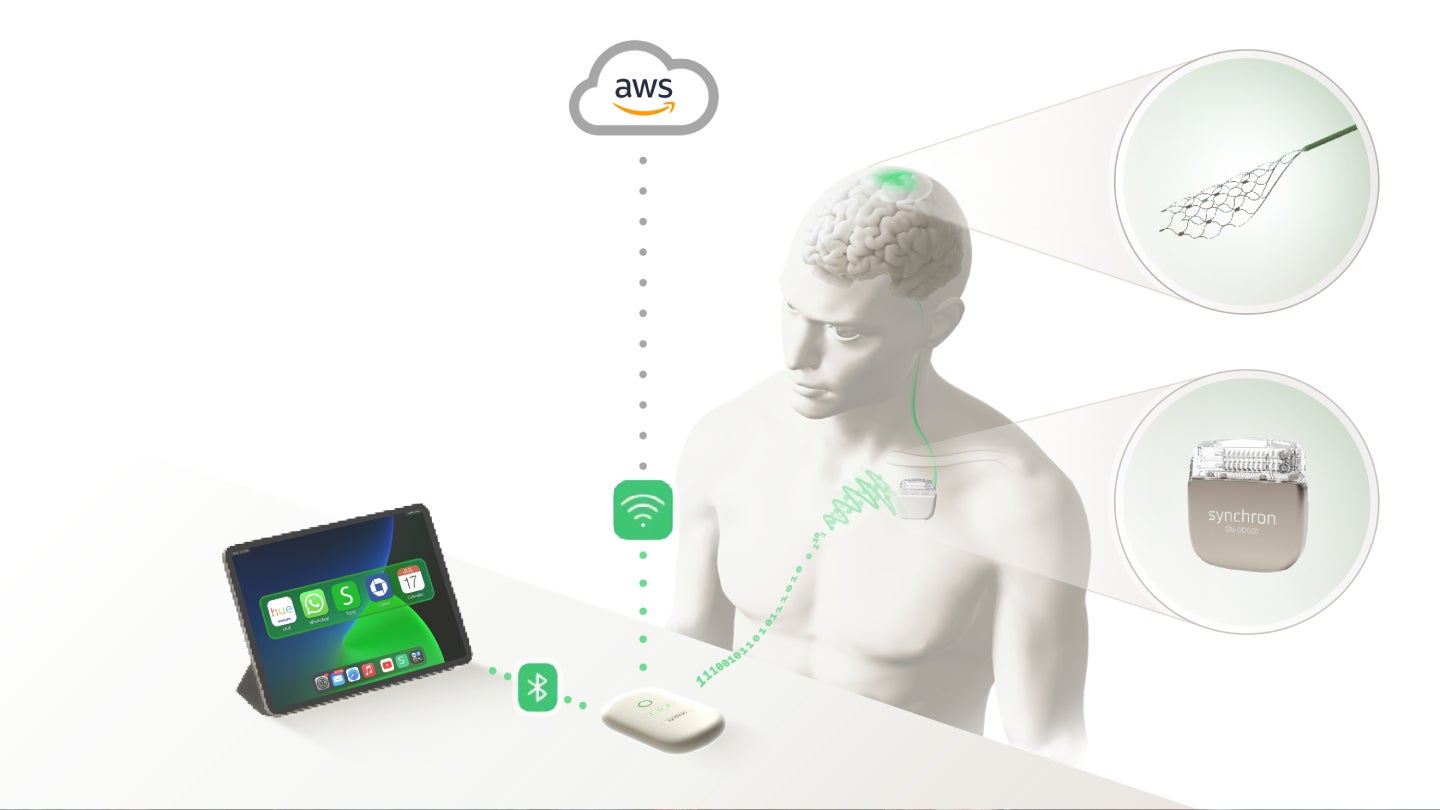
Synchron, a US-based brain-computer interface (BCI) company, has made a groundbreaking advancement in assistive technology. They have successfully integrated generative AI into their brain implant interface system, opening up new possibilities for people with disabilities that render them non-verbal. This innovative solution allows users to generate text on a screen more quickly and easily than ever before, potentially transforming the lives of those who struggle to communicate.
Key Developments and Features
- The system is powered by OpenAI’s multimodal generative pre-training transformer (GPT), a cutting-edge AI technology.
- Users can now generate automated prompts for texting and chatting, making communication more efficient.
- The BCI chat feature categorizes inputs based on context, including the user’s emotions, for more nuanced communication.
- This advancement aims to preserve and extend the fundamental human right of freedom of expression.
Implications and Future Outlook
This development sits at the intersection of neurotechnology and artificial intelligence, two rapidly evolving fields. The global neuromodulation device market is projected to grow significantly, reaching $11.4 billion by 2033. Synchron’s innovation could play a crucial role in this expanding market. However, the field of brain-computer interfaces is not without challenges, as evidenced by setbacks experienced by competitors like Neuralink. As these technologies continue to advance, they have the potential to restore autonomy and improve quality of life for individuals with severe communication disabilities. This breakthrough by Synchron represents a significant step forward in the quest to bridge the gap between thought and expression for those who have lost the ability to speak.
Image Source: [medicaldevice-network.com] (https://www.medicaldevice-network.com/wp-content/uploads/sites/23/2024/07/shutterstock_2195200455-5.jpg)