
Advancing AI in National Laboratories
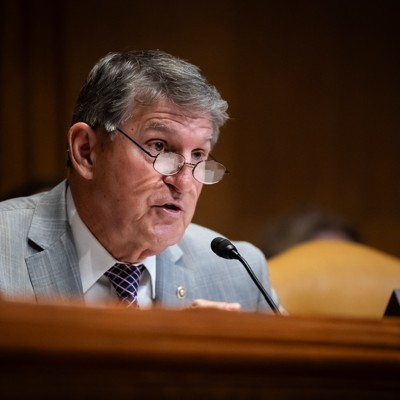
Senators Joe Manchin and Lisa Murkowski have introduced the Department of Energy AI Act, aiming to enhance artificial intelligence capabilities across the U.S. national laboratory network. This bipartisan effort seeks to position the United States at the forefront of AI innovation, particularly in scientific research and national security domains.
Key Components of the Proposed Legislation
- $12 billion investment over five years for the Frontiers in Artificial Intelligence for Science, Security, and Technology (FASST) program
- Establishment of AI risk evaluation and mitigation programs
- Creation of at least eight multidisciplinary AI Research and Development Centers
- Development of a taxonomy of risks related to AI use in sensitive research areas
- Incorporation of AI into electrical grid infrastructure management
- Allocation of funds for STEM education and training opportunities
Implications for U.S. Competitiveness and Security
The proposed legislation aims to accelerate AI adoption in critical scientific and security domains, potentially giving the U.S. a competitive edge in AI research and applications. By focusing on frontier AI models and their deployment in national laboratories, the bill seeks to enhance the country’s ability to analyze complex datasets and advance scientific discovery. Additionally, the emphasis on risk evaluation and mitigation demonstrates a commitment to responsible AI development, addressing potential concerns about AI safety and security in sensitive research areas.





