The Future of Work: A Symbiosis of Human and AI Capabilities
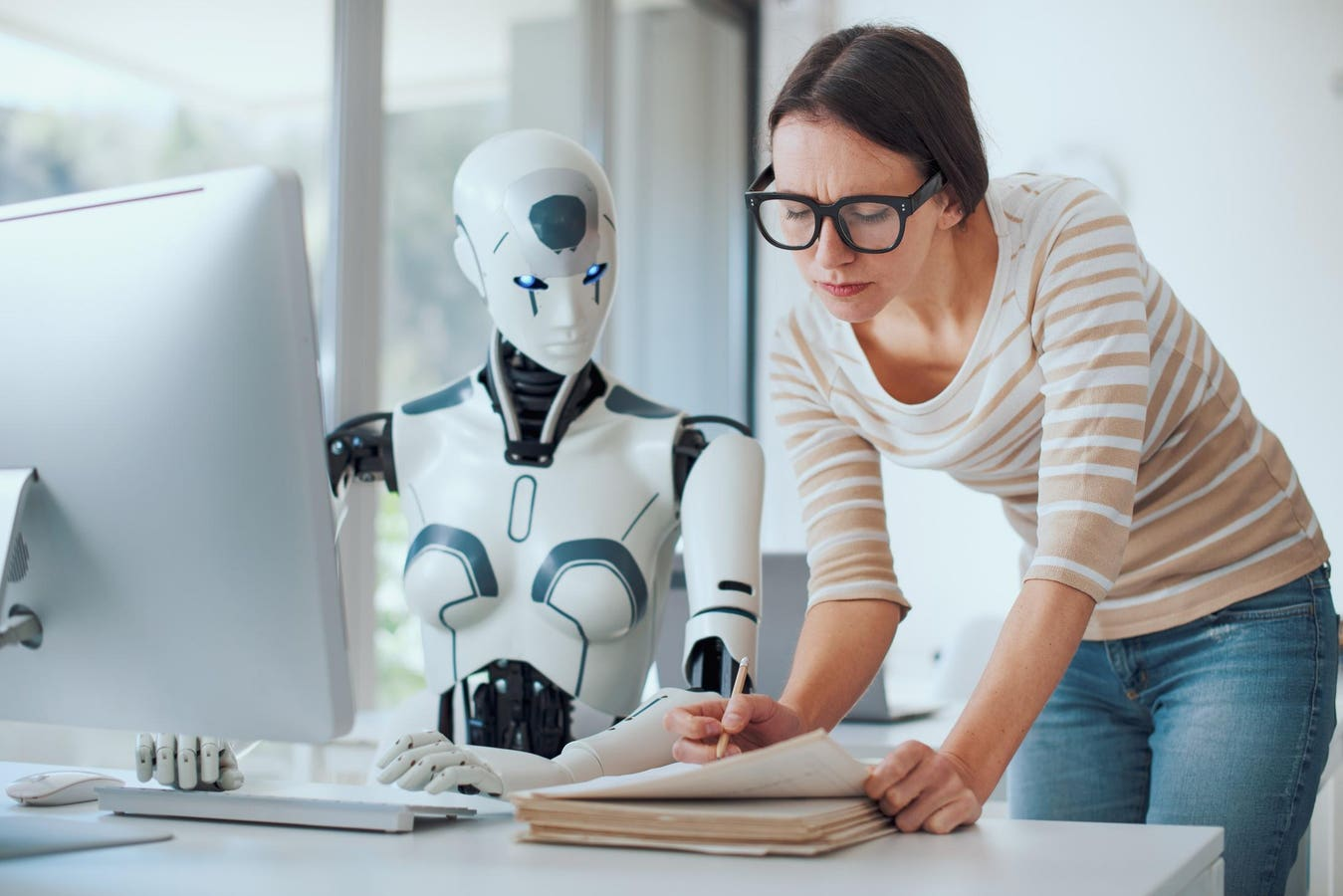
The integration of AI into the workforce is not about replacing humans but enhancing their capabilities. This shift emphasizes the importance of AI literacy and adaptability in the evolving job market. As AI takes over routine tasks, it frees up human workers to focus on complex problem-solving, creativity, and strategic planning.
Key Implications of AI Integration:
- Enhanced productivity and efficiency through automation of routine tasks
- Increased innovation driven by AI-guided data analysis and trend identification
- Improved decision-making based on comprehensive data insights
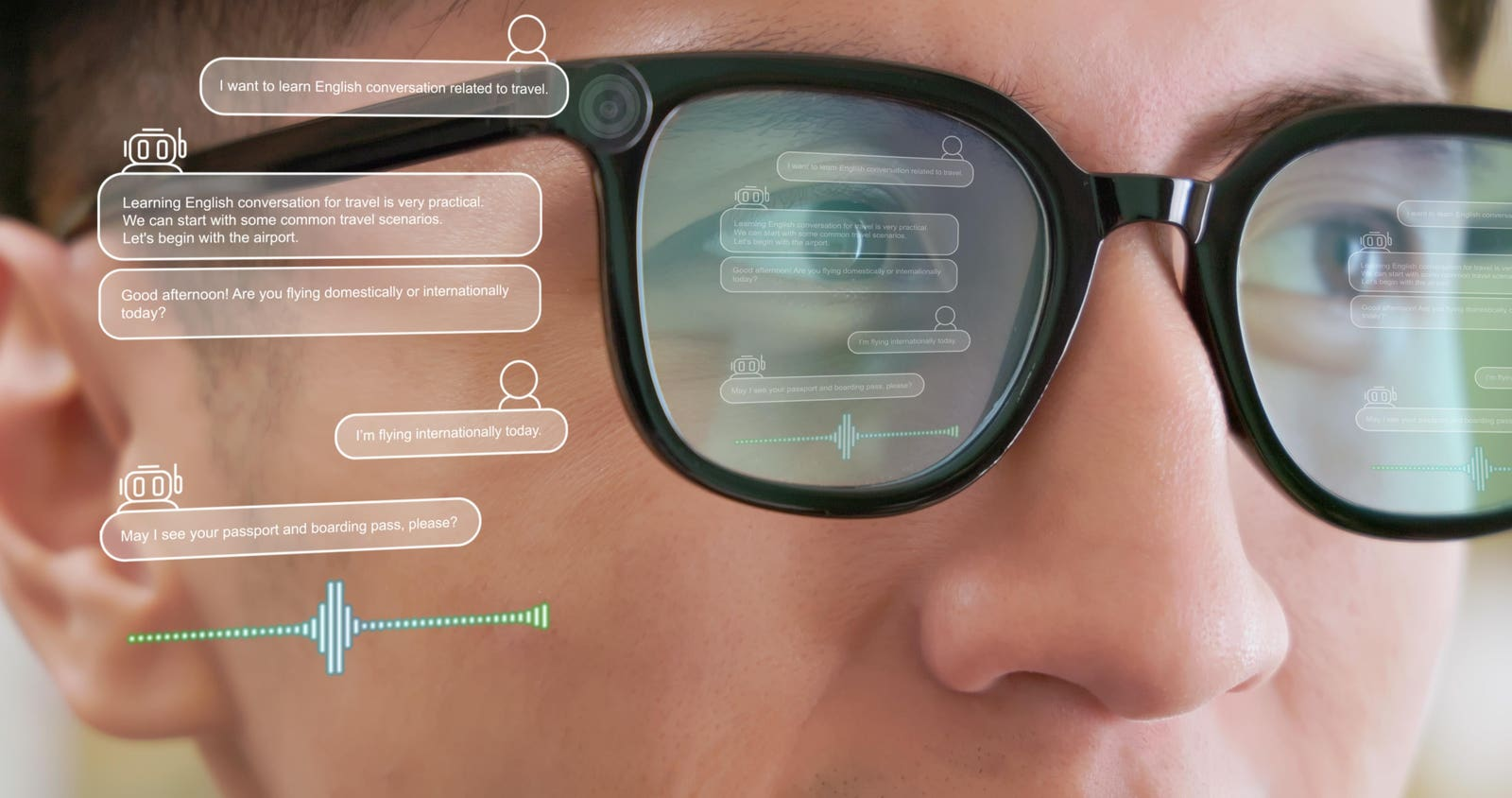
- Personalized learning and development opportunities for workers
- Creation of new job categories focused on AI management and interpretation
Navigating Challenges for a Balanced Future
While the integration of AI presents numerous benefits, it also brings challenges that need addressing. These include potential skill disparities, ethical concerns, and the risk of widening economic inequality. To ensure a successful transition, organizations must invest in AI literacy programs, develop ethical AI guidelines, foster a culture of continuous learning, and implement supportive policies. By focusing on these strategies, we can create a future where humans and AI collaborate effectively, driving unprecedented levels of achievement and prosperity.