The Battle Against AI Art Theft
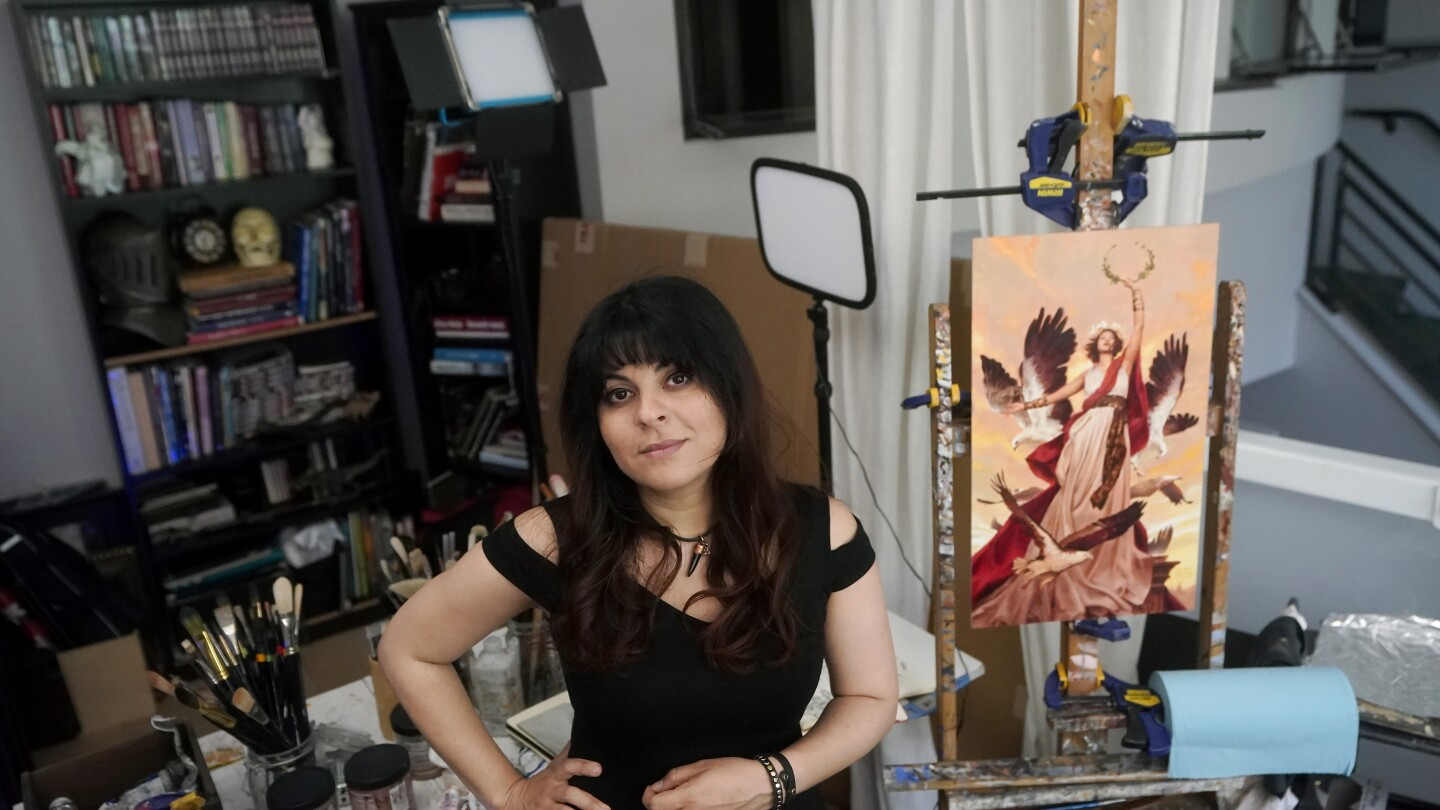
In the rapidly evolving world of AI-generated art, creators are fighting back against what they perceive as a threat to their livelihood. As AI models continue to scrape and emulate artists’ work without permission, a new set of tools has emerged to protect original creations. Developed by researchers at the University of Chicago, Glaze and Nightshade are innovative programs designed to safeguard artists’ unique styles and prevent unauthorized AI replication.
Key Developments:
- Glaze: This tool subtly alters images to confuse AI perception, making it interpret the art style differently.
- Nightshade: A more aggressive approach, this program aims to confuse AI training models about the content of an image.
- Legal Action: Some artists are pursuing lawsuits against AI companies for copyright infringement.
The Bigger Picture
These anti-AI tools represent a technological response to a complex ethical and legal issue. While they offer some protection for artists, experts acknowledge that they are not a permanent solution. As AI models become more sophisticated, these defensive measures may become less effective. However, they serve as an important stopgap in the absence of comprehensive regulations governing AI’s use of artists’ work.
The debate surrounding AI-generated art touches on fundamental questions of creativity, ownership, and consent in the digital age. As the technology continues to advance, finding a balance between innovation and protecting artists’ rights will be crucial for the future of the creative industries.