
The Rise of Fakes and the Quest for Authenticity
In an era where artificial intelligence can generate convincing imitations of almost anything, the value of authenticity is paradoxically on the rise. Despite predictions that the world is moving towards accepting fakery, recent events suggest otherwise. The EU’s crackdown on X’s verification system and the public outcry over the Duchess of Cambridge’s edited family photo demonstrate that people still care deeply about what’s real.
Key Points on Authenticity and Verification:
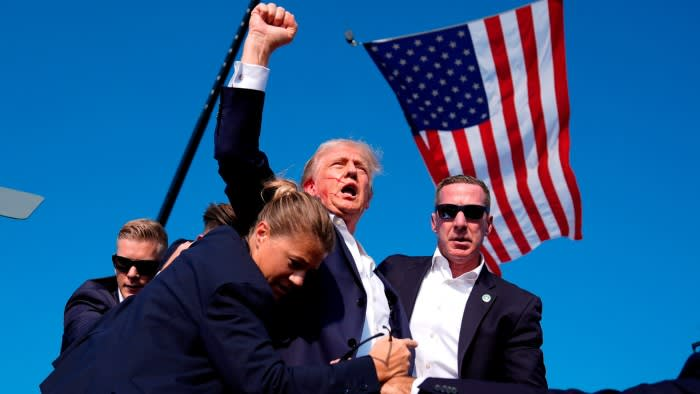
- Iconic photos of Donald Trump’s indictment are powerful because they are known to be real
- Better fakes are increasing the demand for authentic luxury goods
- Verification is becoming crucial across industries, from diamonds to professional services
- Companies and individuals may need to provide more evidence of their authenticity
The Implications for Society and Business
This growing emphasis on provenance has far-reaching consequences. In the business world, it may lead to increased scrutiny of financial reports and a demand for more transparency in algorithms and data. For individuals, it could mean more intrusive methods of proving work productivity, especially for those working from home. While these measures may seem Orwellian, they reflect a society that still values legitimacy and trust, even as technology makes deception easier than ever.





