The Dawn of a New Era
The rapid advancement of artificial intelligence is ushering in a new era that challenges our understanding of human identity and consciousness. As tech giants like Microsoft, OpenAI, and Anthropic develop increasingly sophisticated AI systems, we find ourselves at a crossroads where the boundaries between human and machine intelligence are becoming increasingly blurred.
Key Developments and Implications
- Philosopher Nick Bostrom envisions a potential human-machine hybrid consciousness, which could lead to either utopian or dystopian outcomes.
- The passing of the Turing Test by ChatGPT 4 highlights the growing similarities between human and artificial consciousness.
- AI advancements raise profound questions about the nature of consciousness and human identity.
- The rise of automation may render traditional human tasks obsolete, prompting a reevaluation of intrinsic human values.
A Paradigm Shift in Human Existence
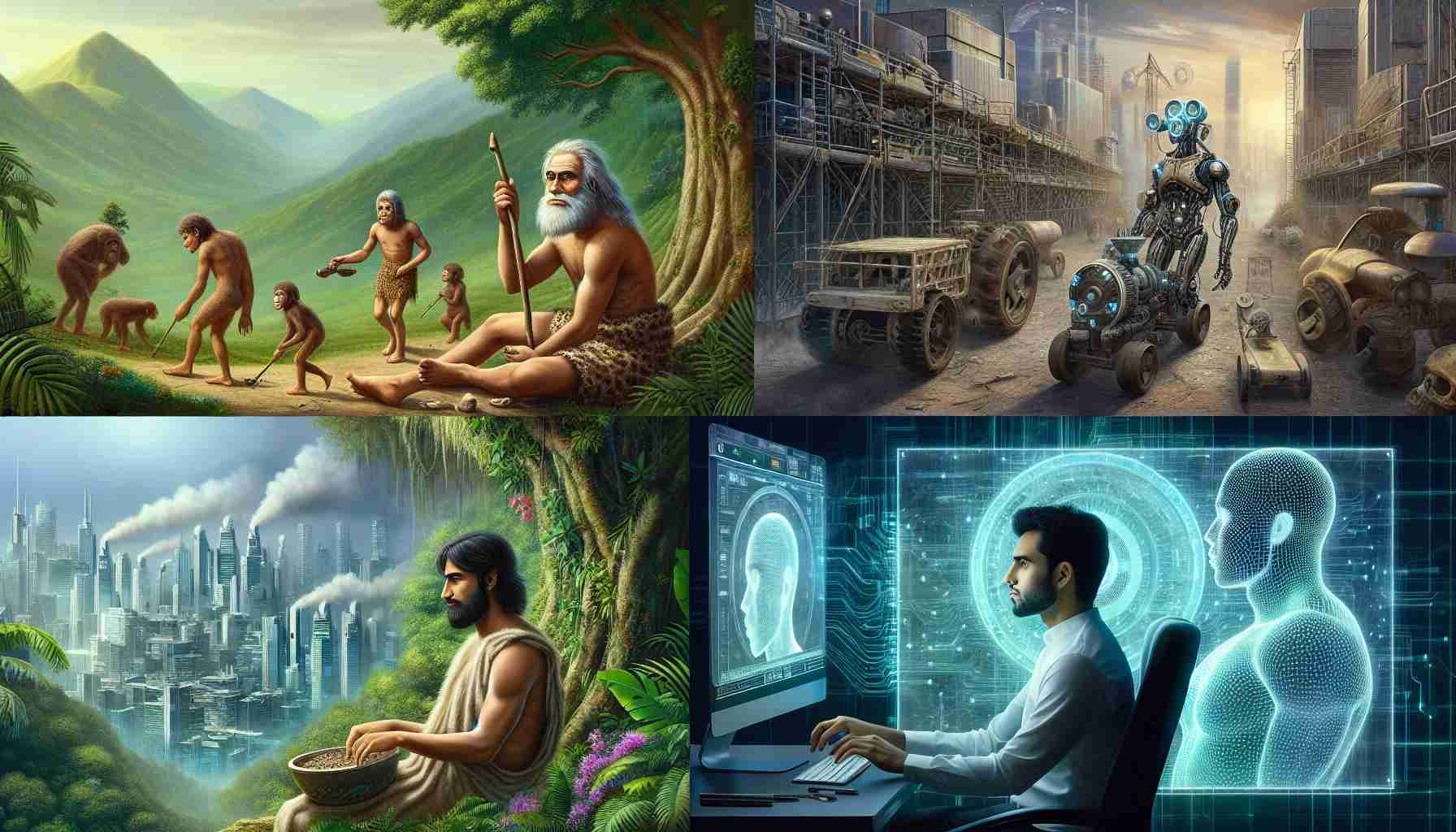
The evolution spurred by artificial intelligence is poised to redefine human existence fundamentally. This transformation goes beyond mere physical limitations, challenging us to reconsider the very essence and purpose of humanity. As we navigate this new landscape, we must grapple with ethical considerations, societal adaptations, and the implications for individual autonomy and privacy.
The integration of AI into human consciousness brings both opportunities and risks. While it offers the potential for enhanced problem-solving, creativity, and efficiency, it also raises concerns about job displacement, ethical dilemmas, and the erosion of human uniqueness. As we stand on the brink of this technological revolution, it is crucial to engage in informed discussions and stay abreast of the latest developments to shape a future that harmonizes technological progress with human values.