
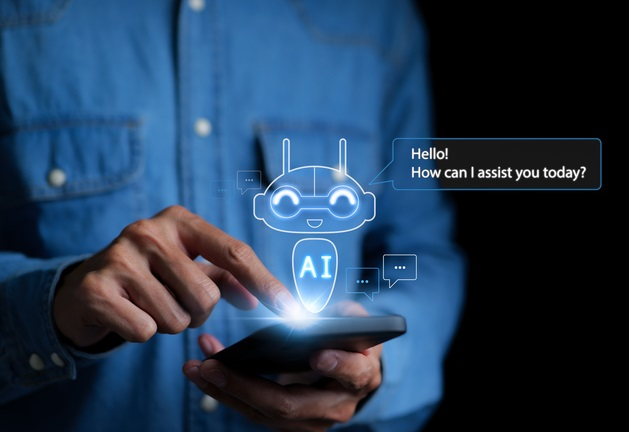
The AI Revolution in Higher Education
Generative AI (GenAI) tools have become an integral part of students’ academic lives, yet many institutions continue to resist this technological shift. A recent study at the London School of Economics reveals the widespread use of GenAI among students, highlighting the urgent need for a proactive approach to integrate these tools into the educational framework.
Key Findings and Challenges
- Students extensively use GenAI for tasks like summarizing course texts and managing workloads
- Uncritical acceptance of AI-generated content can hinder the development of critical thinking skills
- Current assessment methods are increasingly inadequate in detecting AI-assisted work
A Call for Educational Reform
The pervasive use of GenAI necessitates a fundamental rethinking of curriculum design and assessment methods. Educators must adapt to this new reality by:
1. Developing GenAI literacy among faculty members
2. Redesigning assessments to focus on the learning process rather than just the final product
3. Implementing staged submissions and regular progress updates to monitor student work
4. Delaying GenAI use when introducing new topics to ensure foundational understanding
The Path Forward
Embracing GenAI in education offers an opportunity to reform outdated teaching approaches. By providing guidance on responsible AI use, educators can help students leverage these tools to enhance their learning experience. This shift requires a whole-institution approach, with progressive leadership driving the transformation of curricula and assessment methods.
Ultimately, the goal is to create an educational environment where GenAI tools are used to deepen subject understanding and improve work quality, rather than merely as a shortcut. By addressing the challenges head-on, higher education institutions can prepare students for a future where AI literacy is as essential as traditional academic skills.





