
Pushing the Boundaries of Autonomous Driving
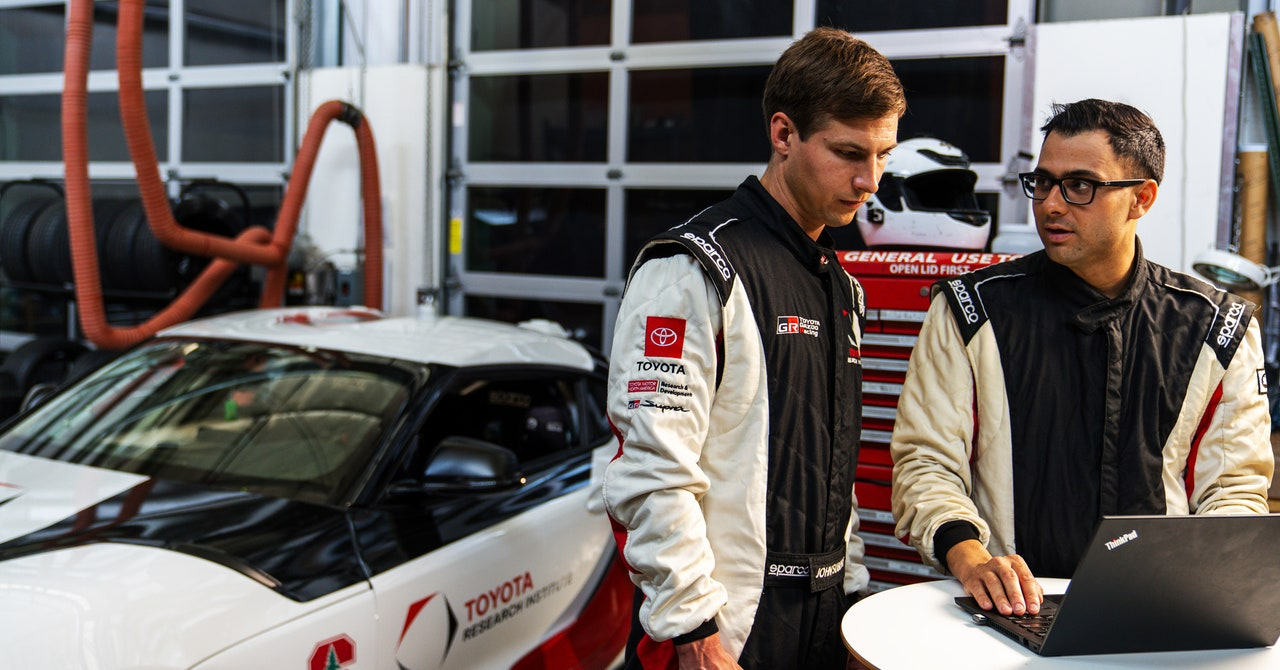
Scientists from Toyota Research Institute and Stanford University have developed self-driving cars capable of performing controlled drifting maneuvers. This breakthrough demonstrates the potential for AI to push the limits of autonomous driving and enhance future driver-assistance systems. The project showcases two modified Toyota GR Supra sports cars executing tandem drifts at high speeds, highlighting the advanced capabilities of AI in handling extreme driving conditions.
Key Developments and Implications
- Advanced algorithms combine mathematical models with machine learning to master drifting
- Modified vehicles equipped with sensors to track road conditions and vehicle properties
- Potential applications in improving driver-assistance systems for hazardous situations
- Demonstration of high-speed autonomy and vehicle-to-vehicle communication
Advancing Safety and Control in Autonomous Driving
This project represents a significant step towards developing autonomous vehicles capable of handling extreme driving conditions. By mastering techniques like drifting, these AI-powered systems could potentially intervene in situations where human drivers lose control, steering vehicles out of danger. The research also highlights the importance of combining machine learning with physical models to create more robust and adaptable autonomous driving systems. While challenges remain in perfecting self-driving technology for everyday use, this demonstration shows promising advancements in pushing the boundaries of what autonomous vehicles can achieve in terms of safety and control.





