The Future of Autonomous Driving
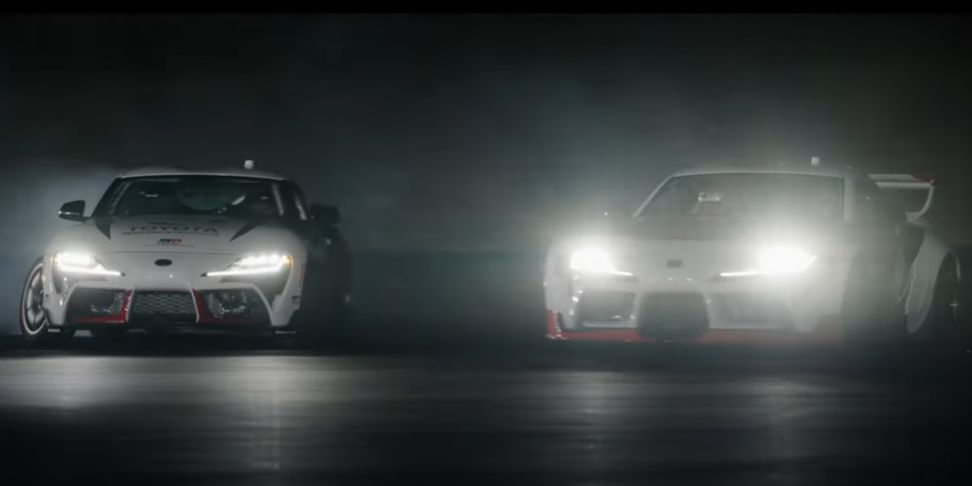
Toyota Research Institute and Stanford Engineering have joined forces to create the world’s first autonomous tandem drift cars. This groundbreaking project showcases the potential of advanced artificial intelligence in automotive technology, with implications that extend far beyond the realm of motorsports.
Key Developments
- Two Toyota Supra drift cars were automated to perform synchronized drifting maneuvers
- The lead car executes precise drifting using throttle, brake, and steering inputs
- The following car adapts to the lead car’s movements in real-time, maintaining a safe distance
- The AI system learns and improves over time, mimicking the skill development of professional drivers
Safety Applications
The primary goal of this project is to enhance road safety for everyday drivers. By mastering the art of car control in extreme conditions, this technology could:
- Improve vehicle handling on slippery surfaces like ice or snow
- Enable cars to react more effectively in emergency situations
- Enhance the capabilities of future Level 4 and Level 5 autonomous vehicles
This innovation follows the tradition of motorsport technologies trickling down to consumer vehicles, much like rear-view mirrors, disc brakes, and crash structures. As AI continues to evolve, we may see this drift technology become a standard safety feature in future automobiles, potentially saving countless lives on the road.