
Unlocking the Secrets of Cellular Processes
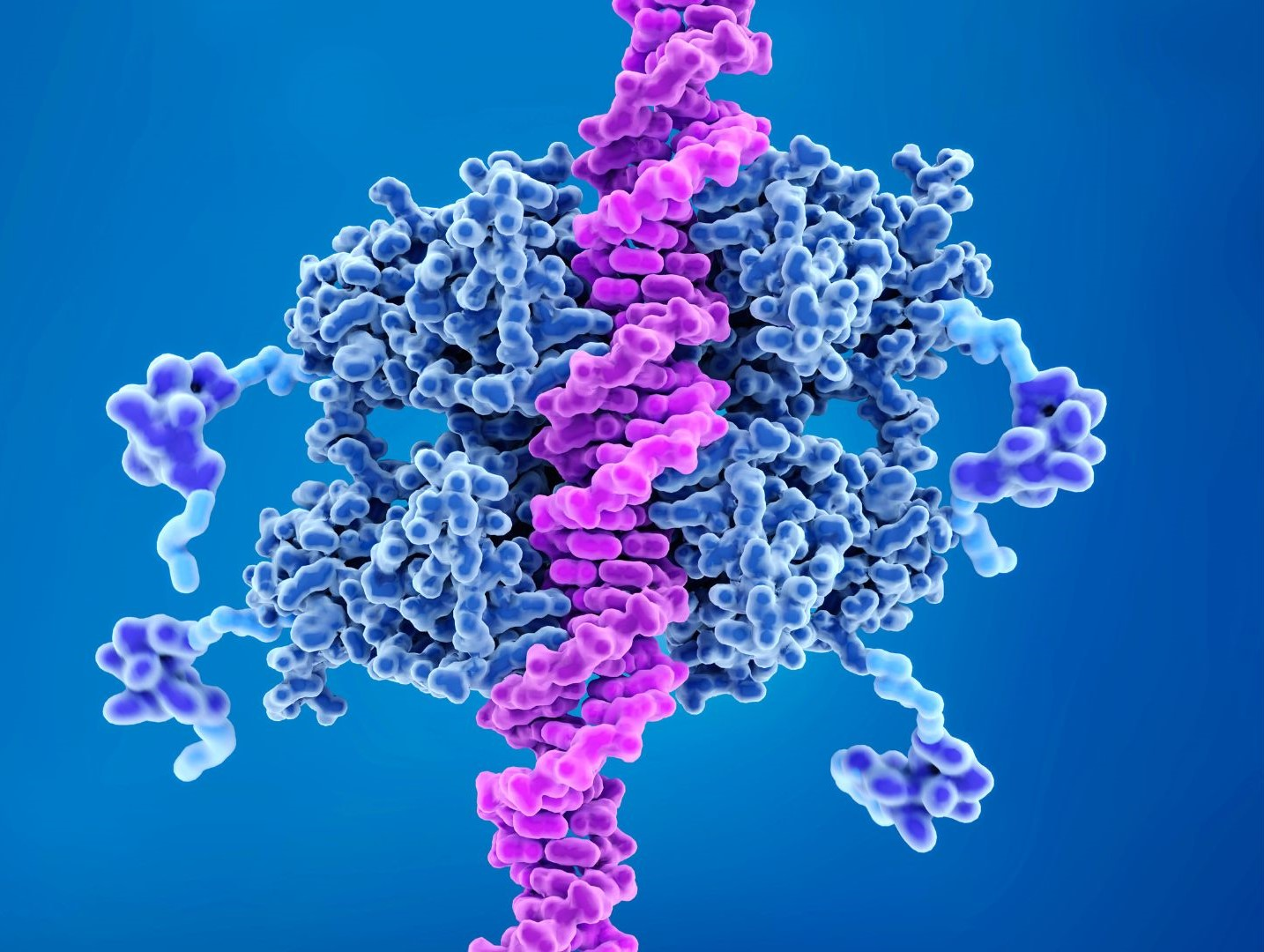
Protein-DNA interactions play a crucial role in regulating cellular processes and are often implicated in various diseases. Mapping these interactions has significant therapeutic potential, but traditional experimental methods are costly and time-consuming. With less than 1% of known protein sequences annotated with DNA-binding interactions, there’s a vast knowledge gap to bridge.
AI-Powered Breakthroughs
- Deep learning models like AlphaFold and RoseTTAFold are leading the charge in predicting protein-DNA interactions.
- These models leverage transformer architectures to learn context from sequential data.
- DNA and protein language models, such as DNABERT and ESMFold, can infer structural knowledge from a single sequence.
- Combining multiple machine-learning approaches yields better predictions of protein structures and interactions.
Transforming Drug Discovery and Beyond
The integration of AI in proteomics is revolutionizing drug discovery and biological engineering. By enabling researchers to generate more hypotheses and take a broader view of biology, AI is helping to tackle the challenge of the undruggable proteome. This technology also has applications in designing protein-based materials and synthetic gene circuits, potentially leading to more advanced biological engineering.
While some limitations still exist, such as occasional errors in orientation or chirality predictions, the field is rapidly advancing. As more protein structures become available and models improve, our understanding of protein-DNA interactions will deepen, paving the way for groundbreaking discoveries in medicine and biotechnology.





