
A New Era in Autonomous Navigation
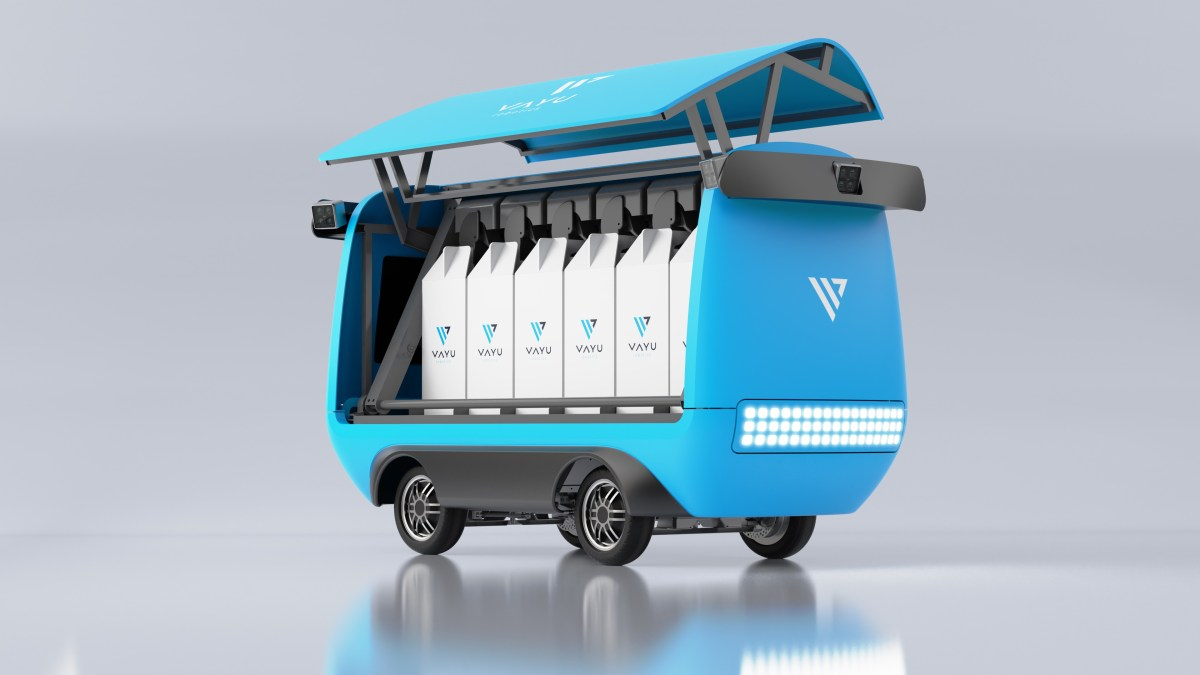
Vayu Robotics is challenging the status quo in autonomous vehicle technology by eschewing LiDAR in favor of foundation models. This innovative approach aims to make delivery robotics more affordable and scalable, addressing the high costs associated with traditional LiDAR-based systems.
Key Developments
- Vayu employs transformer-based mobility foundation models and powerful passive sensors, eliminating the need for expensive LiDAR technology.
- The company has secured $12.7 million in funding and a commercial agreement to deploy 2,500 robots for ultra-fast goods delivery.
- Vayu’s robots can carry payloads of up to 100 pounds at speeds reaching 20 miles per hour, operating on roads rather than sidewalks.
Implications for the Industry
This shift away from LiDAR could potentially disrupt the autonomous vehicle and robotics sectors. By leveraging foundation models and passive sensors, Vayu aims to create more adaptable and cost-effective solutions for autonomous navigation. The company’s approach addresses the limitations of traditional robotics software, which often struggles with uncertainty and new situations. As the delivery robot market continues to grow, Vayu’s technology could pave the way for more widespread adoption of autonomous delivery systems, potentially transforming last-mile logistics and e-commerce operations.





