Kling: A New Player in Video Generation
Kuaishou, a Beijing-based company, has released Kling, a powerful video-generating AI model, to a global audience. This innovative tool allows users to create short, high-quality videos based on text prompts. Kling’s capabilities are impressive, rivaling those of established models like Runway’s Gen-3 and OpenAI’s Sora in simulating physics and adhering to user prompts.
Key Features and Limitations
- Kling generates 5-second, 720p videos from text descriptions
- The model accurately interprets prompts and simulates physical phenomena
- Users can animate still images with contextual prompts
- Kling exhibits censorship of politically sensitive topics related to China
The Broader Implications
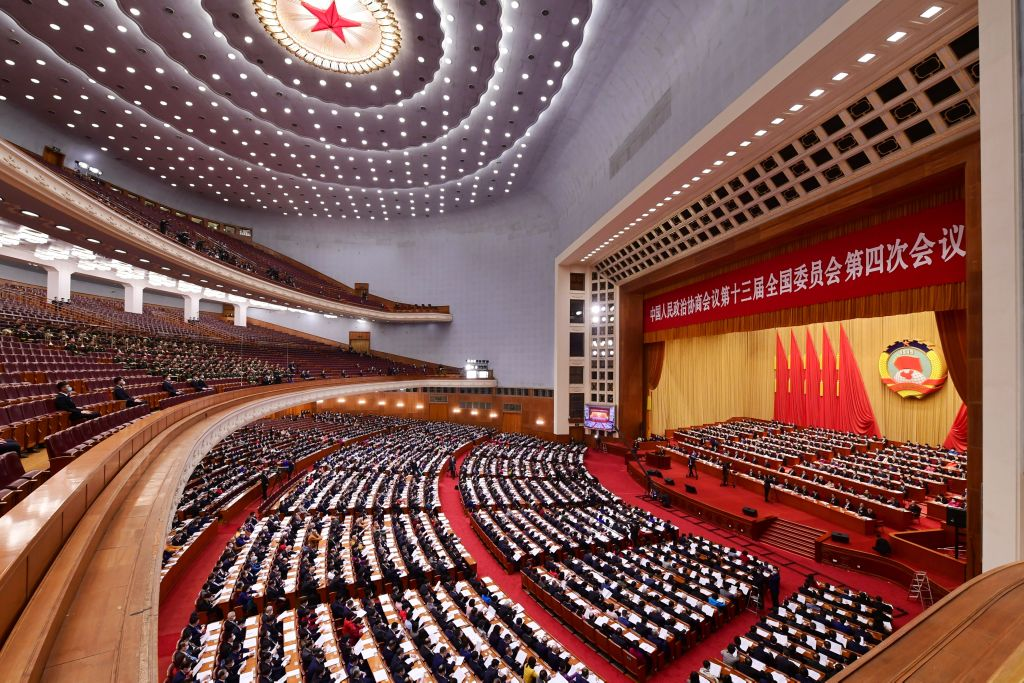
The launch of Kling highlights the growing tension between technological advancement and political control in China’s AI sector. The model’s apparent censorship of certain topics reflects the Chinese government’s efforts to regulate AI content. This situation raises questions about the future of AI development in China and its potential impact on the global AI landscape. As AI becomes increasingly powerful and ubiquitous, the balance between innovation and ideological control will likely remain a critical issue for developers, users, and policymakers worldwide.