
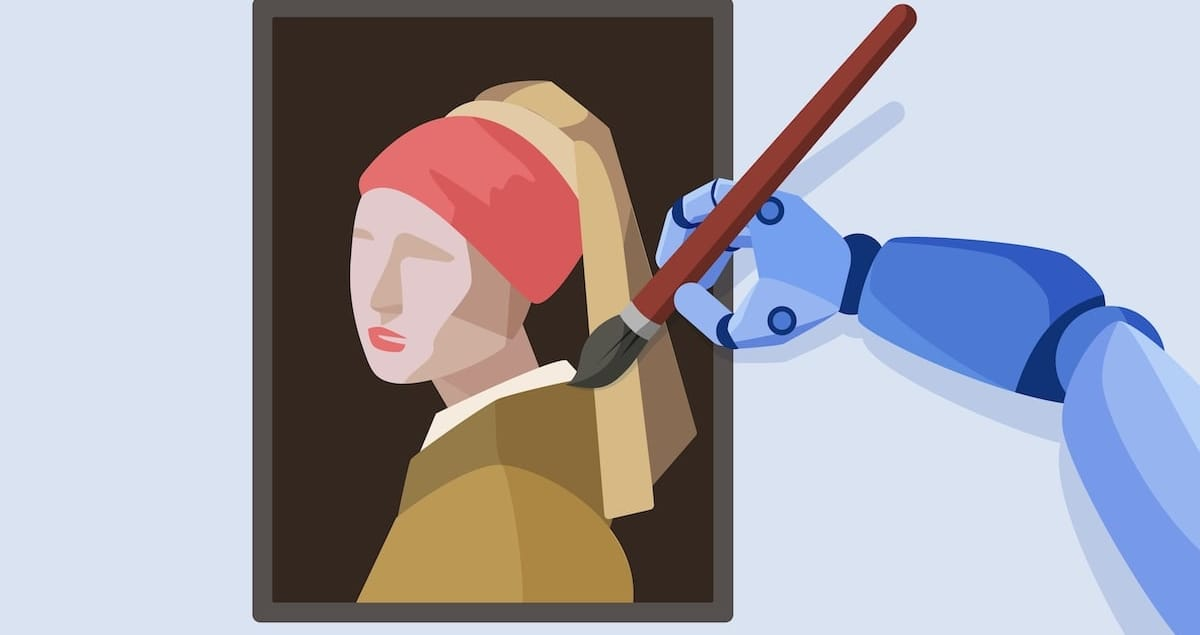
Redefining Artistic Expression
AI art is revolutionizing the creative landscape, blurring the lines between human and machine-generated content. This emerging form of digital art leverages artificial intelligence algorithms to produce unique images, videos, audio, and written material. Trained on vast datasets of existing artwork, AI generators mimic human-made creations, opening up new possibilities for artistic expression.
Key Aspects of AI Art
- AI art encompasses various mediums, including visual, audio, and written content
- Generators like Midjourney, ChatGPT, and Sora enable instant content creation
- The process involves prompt engineering and iterative refinement
- AI art relies on complex neural networks and machine learning models
Implications and Controversies
AI art’s rise has sparked heated debates in the art world and beyond. Copyright concerns loom large, as AI models are trained on existing artworks without explicit permission. The U.S. Copyright Office currently doesn’t grant protection to AI-generated art, raising questions about ownership and fair use. Additionally, there are fears that AI could replace human artists in certain fields, potentially disrupting creative industries.
The emergence of AI art challenges our traditional notions of creativity, authorship, and artistic value. While it offers exciting possibilities for democratizing art creation, it also raises ethical and legal questions that society must grapple with. As AI continues to evolve, finding a balance between embracing technological innovation and preserving human artistic expression will be crucial in shaping the future of creativity.





