
The Rise of Collaborative AI Implementation
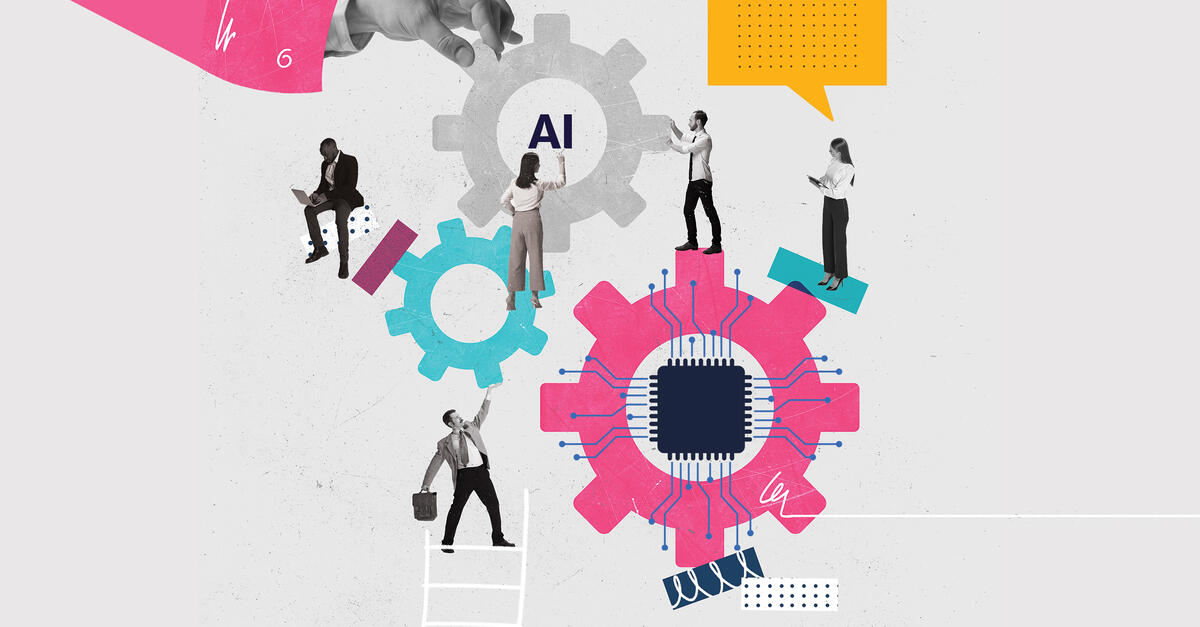
Generative AI has the potential to revolutionize workplaces, but its success hinges on involving workers in the design and implementation process. MIT experts propose a framework that encourages organizations to include employee input at every stage of AI adoption. This approach aims to ensure that AI tools augment human capabilities rather than replace workers entirely.
Key Aspects of Worker-Centric AI Integration
- Problem Definition: Seek input from front-line employees to identify opportunities for AI implementation
- Design Process: Involve workers in participatory design practices and experimentation with new technologies
- Skill Development: Provide training and upskilling opportunities for employees to effectively use AI tools
- Fair Transition: Negotiate protections and compensation for workers affected by AI implementation
Shaping the Future of Work
By embracing worker voice in AI adoption, organizations can create a more collaborative and productive work environment. This approach not only maximizes the benefits of generative AI but also addresses concerns about job displacement. As exemplified by partnerships like the Microsoft-AFL-CIO agreement, involving labor leaders and workers in AI development can lead to more inclusive and effective technological advancements.





