AI in Gaming: A New Battleground
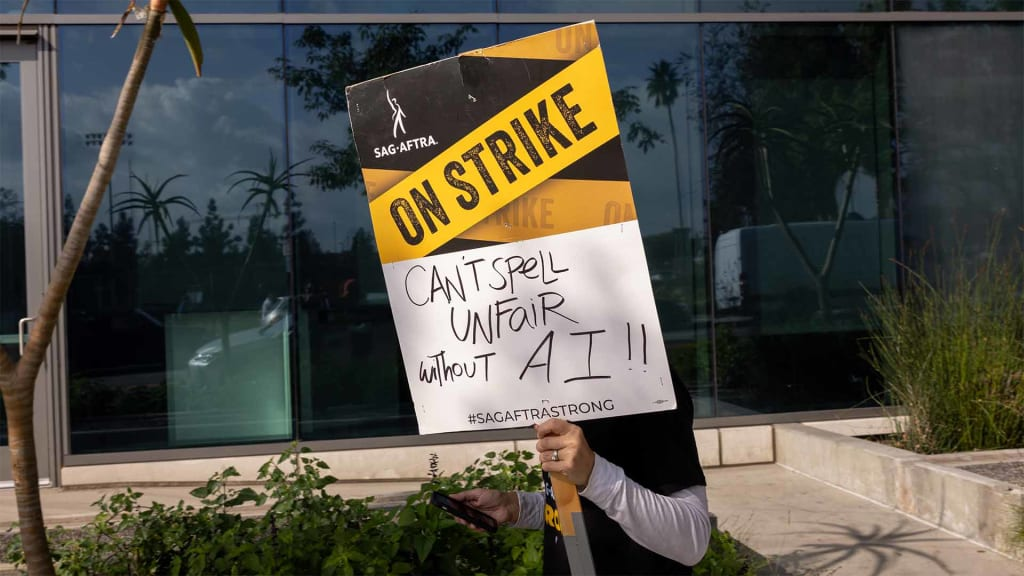
The video game industry faces a significant disruption as SAG-AFTRA performers announce a strike over artificial intelligence protections. This marks the second strike for video game voice actors and motion capture performers, following nearly two years of unsuccessful negotiations with major gaming studios. The core issue revolves around the regulation of generative AI and its potential impact on performers’ rights and compensation.
Key Points of Contention
- Definition of “performer”: The union argues that the studios’ narrow definition excludes certain physical performances, treating them as mere “data.”
- AI replication concerns: Without proper safeguards, companies could potentially use AI to replicate actors’ voices or create digital likenesses without consent or fair compensation.
- Scope of protection: The union seeks to ensure that all types of performances, including stunt work and creature performances, are covered under the agreement.
Industry Impact and Broader Implications
This strike highlights the growing tension between technological advancements and labor rights in the entertainment industry. With the global video game market generating over $100 billion in annual profits, the outcome of this dispute could have far-reaching consequences. It also reflects the broader concerns about AI’s role in creative industries, echoing similar issues that fueled last year’s film and television strikes. As the gaming industry continues to evolve, finding a balance between innovation and fair treatment of performers will be crucial for its sustainable growth and the protection of creative professionals.