
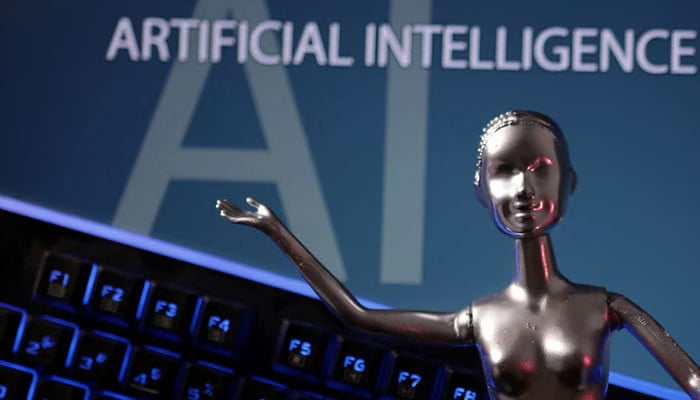
Revolutionizing Education
Artificial Intelligence (AI) is reshaping the educational landscape worldwide, offering innovative solutions to longstanding challenges. This transformative technology aims to provide personalized learning experiences, enhance teaching methods, and contribute to the United Nations’ Sustainable Development Goal 4 for quality education. AI’s role as a ‘social resource multiplier’ is pivotal in creating more efficient and inclusive educational systems.
Key Developments and Approaches
- UNESCO’s Education 2030 Agenda emphasizes AI’s potential to address educational inequalities and promote human-machine collaboration.
- China has implemented AI-powered classrooms and integrated AI into primary and secondary school curricula.
- India utilizes AI for adaptive learning platforms and predictive analytics to prevent student dropouts.
- Pakistan has launched the President’s Initiative on Artificial Intelligence and Computing (PIAIC) and developed a national AI policy draft.
Global Impact and Future Directions
The integration of AI in education presents both opportunities and challenges. While it promises to revolutionize learning experiences, concerns about data privacy, ethical considerations, and potential biases must be addressed. To maximize AI’s benefits in education, collaboration between educators, policymakers, and AI developers is crucial. Establishing specialized AI institutes and implementing ‘train the trainers’ programs can help countries like Pakistan catch up with global advancements in AI education.





