Transforming an Age-Old Industry
The textile industry, a cornerstone of the global economy, is undergoing a radical transformation thanks to Artificial Intelligence (AI). This technological revolution is reshaping production processes, enhancing quality control, and paving the way for unprecedented innovations in fabric manufacturing.
Key Advancements
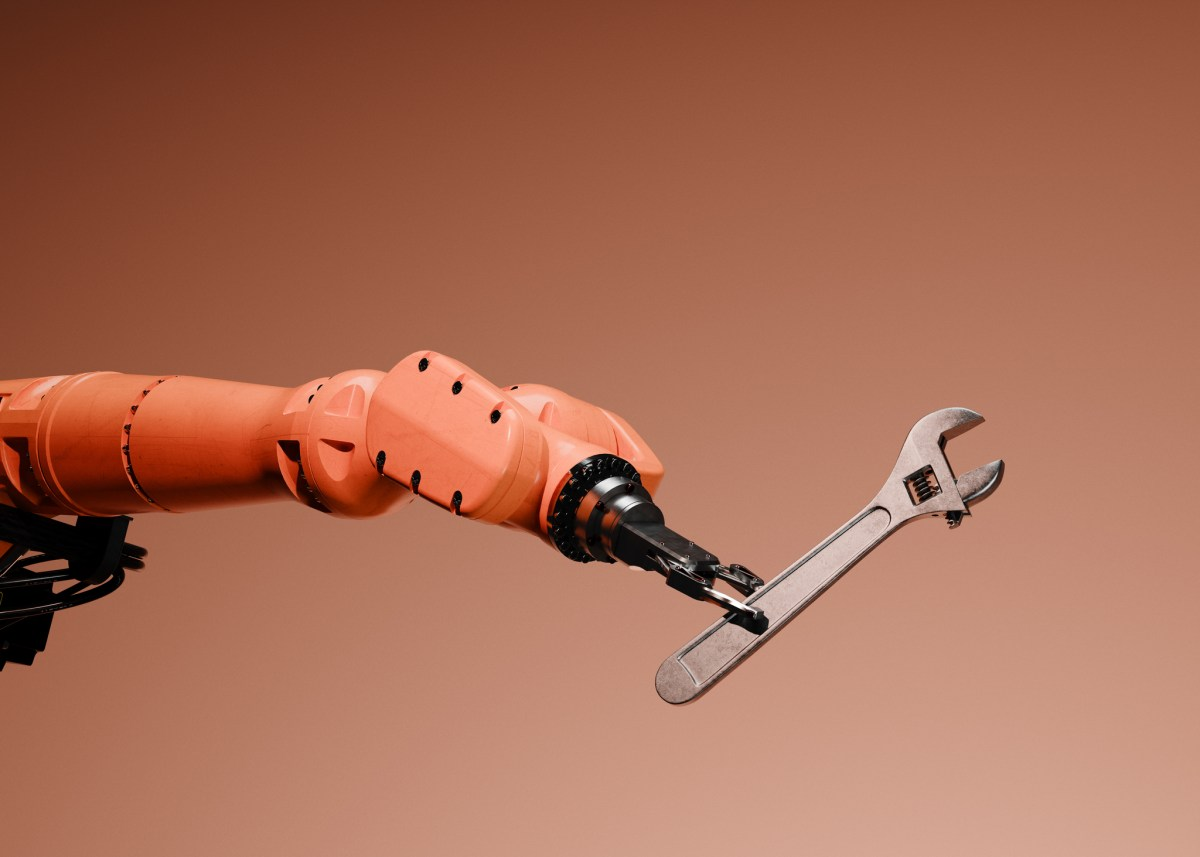
- AI-powered automation and robotics are streamlining labor-intensive tasks like cutting, stitching, and dyeing, boosting productivity and reducing errors.
- Predictive maintenance systems analyze sensor data to anticipate equipment issues, minimizing downtime and optimizing output.
- Supply chain management is improved through AI’s demand forecasting and inventory management capabilities.
- Energy efficiency is enhanced as AI algorithms identify and implement energy-saving measures throughout the production process.
Quality Control Reimagined
AI is revolutionizing quality control in textile production. Computer vision systems detect even minor defects with unparalleled accuracy, ensuring only top-quality products reach the market. Real-time monitoring and feedback allow for immediate corrective actions, maintaining consistency and standardization across production runs. Moreover, AI-driven data analytics provide valuable insights for continuous improvement initiatives.
The Bigger Picture
The integration of AI in the textile industry represents a significant leap forward in efficiency, sustainability, and product quality. While challenges such as high initial costs and the need for skilled personnel exist, the potential benefits far outweigh these hurdles. As AI technology becomes more accessible and combines with other innovations like IoT and blockchain, the textile industry is poised for a future of smart fabrics, enhanced transparency, and improved sustainability. This AI-driven revolution not only benefits manufacturers and consumers but also contributes to a more environmentally friendly and resource-efficient industry.