The Dawn of Thought Interpretation
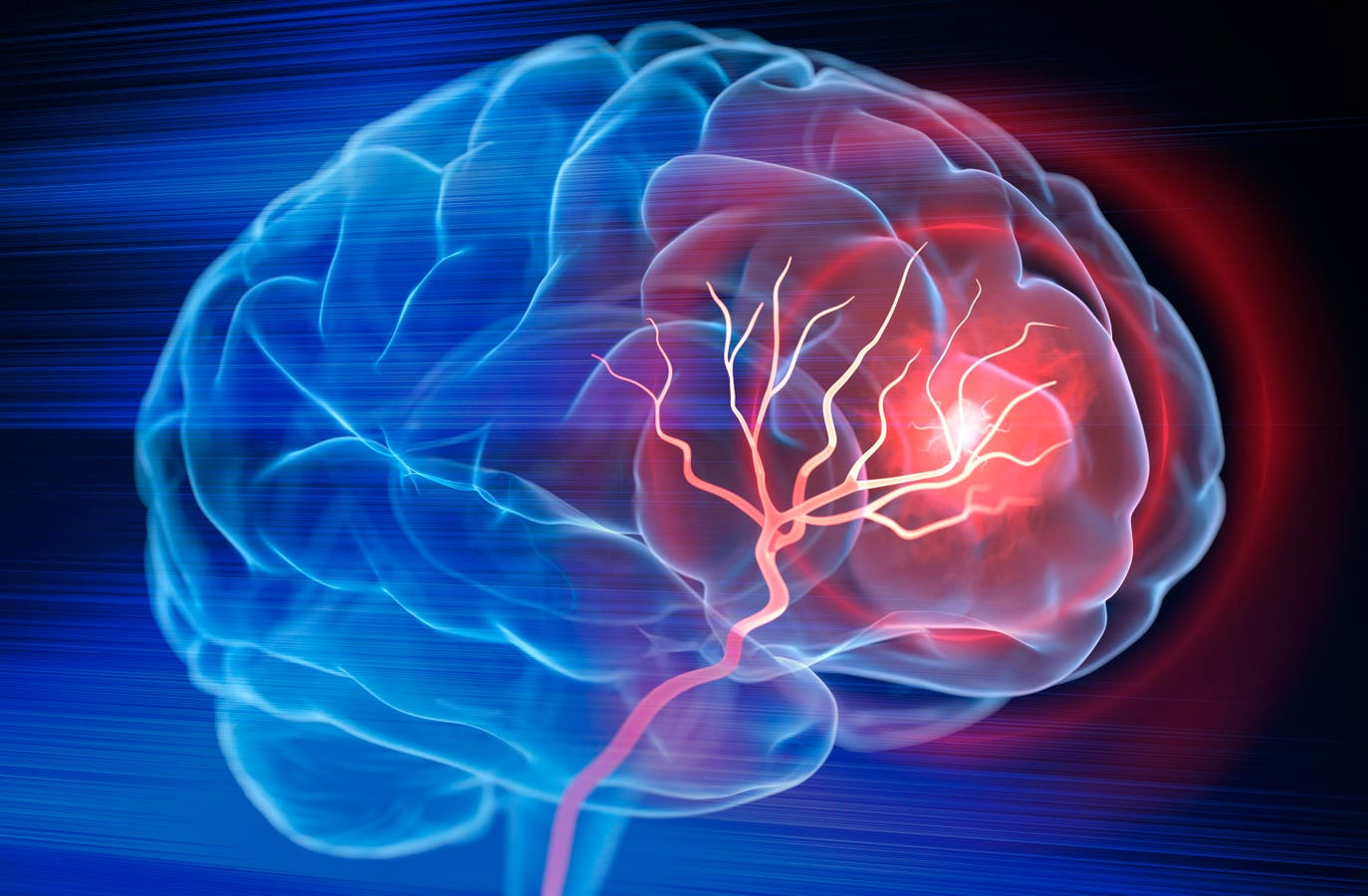
The concept of mind-reading technology, once confined to the realm of science fiction, is rapidly becoming a reality. Researchers at prestigious institutions like MIT are making significant strides in decoding brain activity, bringing us closer to the ability to interpret thoughts directly from neural signals.
Key Developments in Brain-Computer Interfaces
- MIT scientists are distinguishing between different types of brain waves, such as gamma and alpha waves, to understand neural processing.
- Researchers are identifying patterns in neural layers that aid in clinical diagnosis, including epilepsy and autism.
- AI-powered fMRI studies have shown promising results in accurately interpreting mental images from brain scans.
- Brain-computer interfaces are being developed for various applications, including mental health support and overcoming neurological conditions.
Implications for the Future
The advancement of mind-reading technology raises profound questions about the future of human cognition, privacy, and our relationship with artificial intelligence. As these capabilities continue to evolve, they have the potential to revolutionize fields such as healthcare, communication, and human-computer interaction. However, they also bring ethical concerns and the need for careful consideration of how this technology will be implemented and regulated in society.