The AI Landscape: US vs. China
The artificial intelligence race between the United States and China is often portrayed as a head-to-head competition. However, a closer look reveals that these two AI powerhouses are pursuing distinct strategies, shaped by their unique circumstances and constraints.
Key Differences in Approach
- Compute Power: US companies focus on expanding model size, while Chinese firms prioritize efficiency due to chip restrictions.
- Data Access: China’s stringent data protection laws limit the information available for AI training.
- Pragmatism: Chinese companies emphasize practical applications over long-term research.
- Patent Filings: China leads in AI patent quantity, though not necessarily in groundbreaking innovations.
Implications and Future Outlook
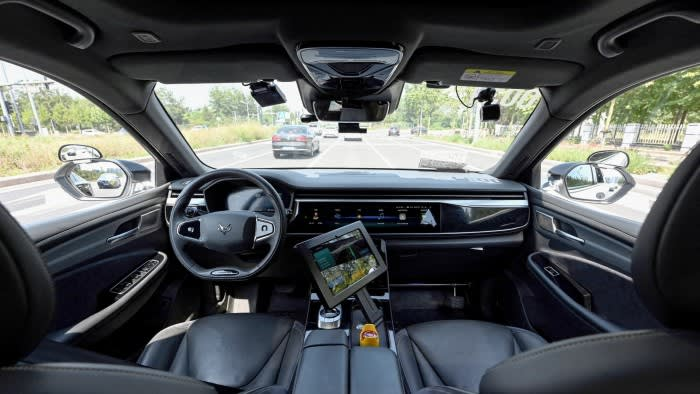
China’s AI ecosystem is adapting to its limitations by developing more efficient, specialized models. This approach may lead to faster product development and commercialization in certain sectors. Electric vehicles and autonomous driving are prime examples where China’s pragmatic AI strategy could yield significant results. While the US may maintain its edge in fundamental AI research, China’s focus on execution and affordability could accelerate AI adoption in everyday applications. Ultimately, both nations have valuable contributions to make in addressing global challenges through AI technology.