The Unseen Complexity of Robotaxi Services
Robotaxi services involve far more than just developing self-driving technology. While the autonomous driving system is the core innovation, a complex infrastructure is required to support and scale these services. This infrastructure includes both centralized and localized components, each presenting unique challenges and requiring significant investment.
Key Components of Robotaxi Infrastructure
- Mapping and data management systems
- Testing and certification processes
- Local knowledge integration
- Connectivity solutions
- Customer-facing applications and localization
- Fleet management systems
- Customer service operations
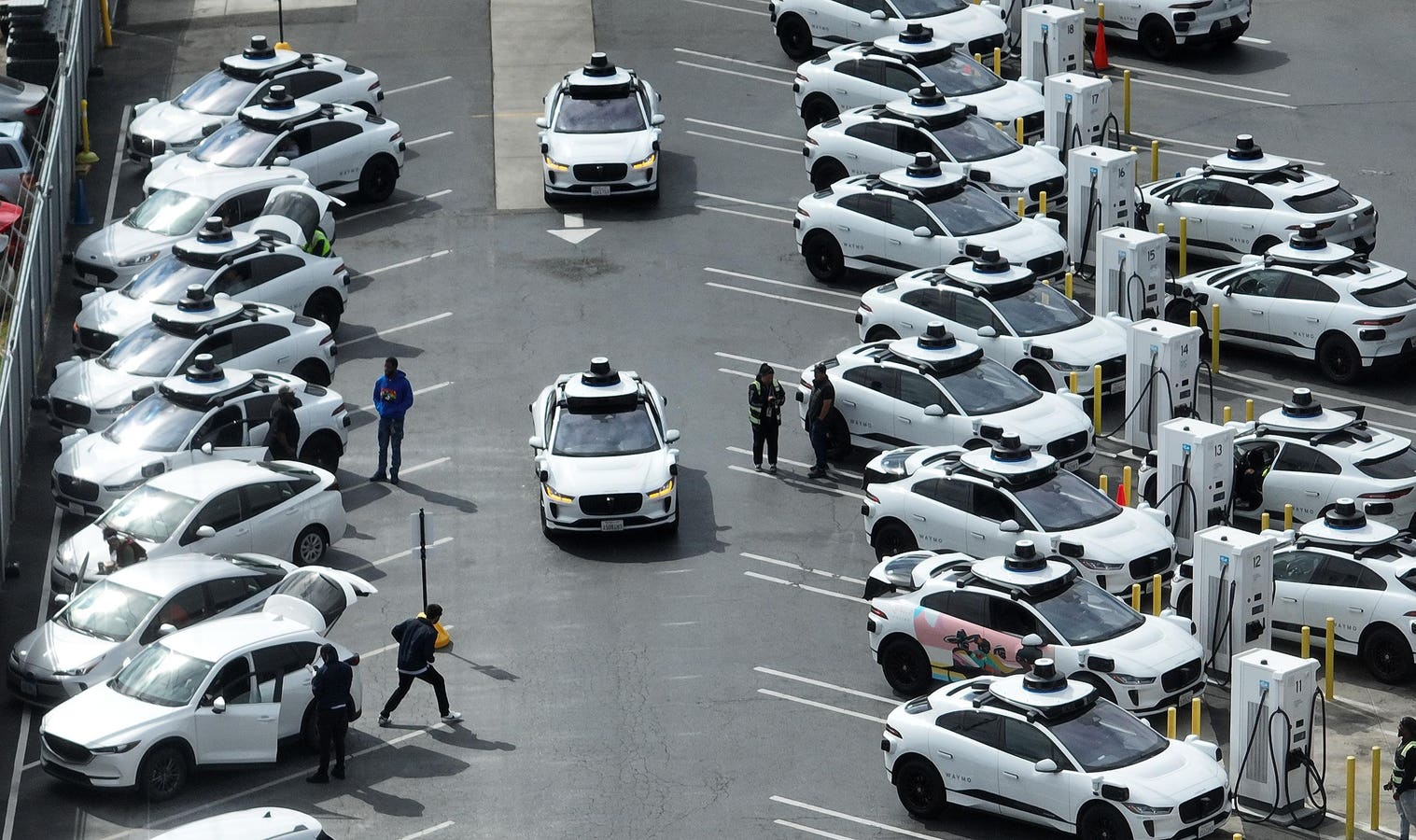
- Physical facilities (depots, charging stations, cleaning services)
- Remote operations centers
- On-ground support teams
- Regulatory compliance and stakeholder management
- Public relations and crisis management
- Insurance and legal frameworks
- Business model adaptation
Why Infrastructure Matters
The extensive infrastructure requirements explain why robotaxi services are currently limited to a handful of cities. Even with advanced self-driving capabilities, companies cannot simply deploy their vehicles anywhere. Each new service area demands significant preparation, investment, and adaptation to local conditions. This complexity underscores the challenges of scaling robotaxi services and highlights the need for comprehensive planning beyond just perfecting the autonomous driving technology.