Revolutionizing Dementia Diagnosis
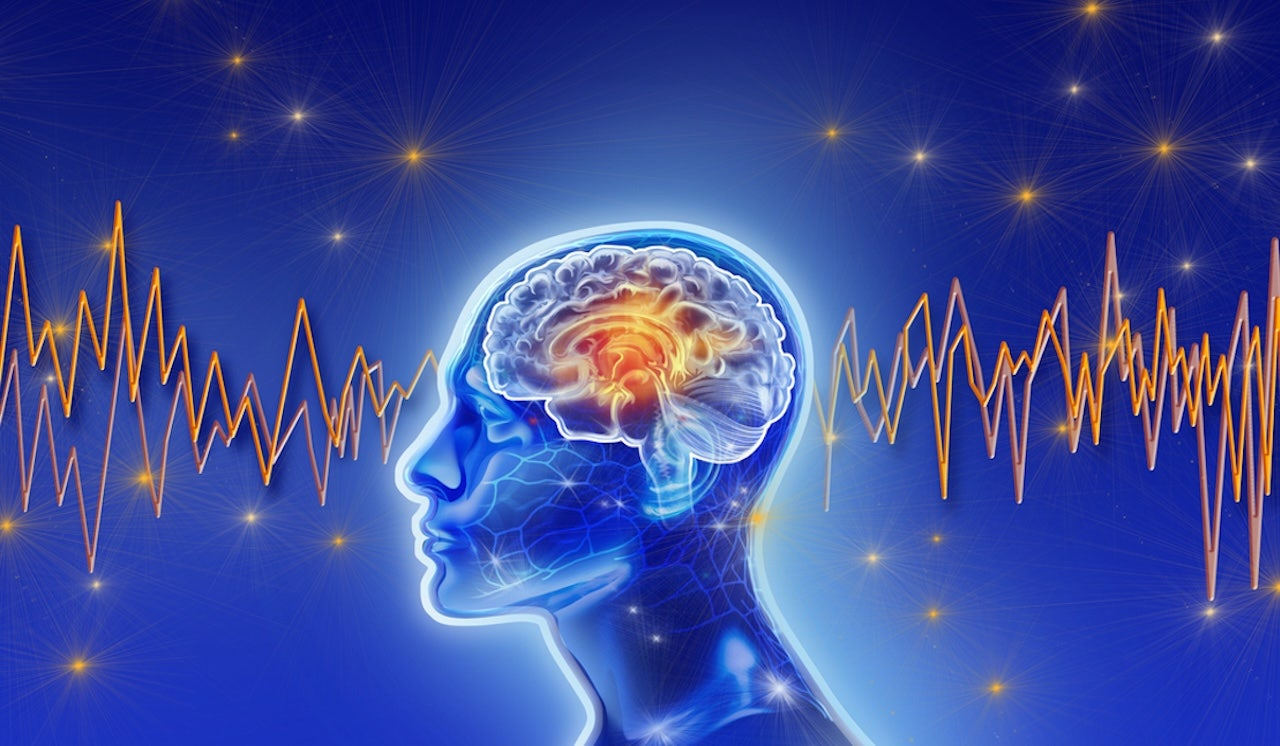
Mayo Clinic researchers have made a breakthrough in early dementia detection by combining artificial intelligence (AI) with electroencephalogram (EEG) tests. This innovative approach enables faster and more accurate identification of specific dementia types, potentially transforming the landscape of brain health assessment.
Key Findings and Implications
- AI-enhanced EEGs can detect brain wave patterns associated with Alzheimer’s and Lewy body disease.
- The AI tool reduced EEG reading time by 50% while significantly improving accuracy.
- This technology could make brain health assessments more accessible, affordable, and less invasive.
- The AI model was trained on data from over 11,000 patients over a decade.
The Future of Cognitive Health Screening
This research represents a significant step forward in cognitive health screening. By harnessing the power of AI to analyze complex brain wave patterns, healthcare providers may soon be able to offer earlier interventions and better patient care. The potential for widespread implementation, especially in underserved areas, could democratize access to advanced cognitive health assessments. As the technology evolves, it may even enable remote cognitive assessments, similar to at-home blood pressure monitoring. While challenges remain, including the need for healthcare professional training and addressing privacy concerns, this AI-powered approach to EEG analysis holds immense promise for improving dementia diagnosis and patient outcomes.