Unveiling the Psychometric Frontier
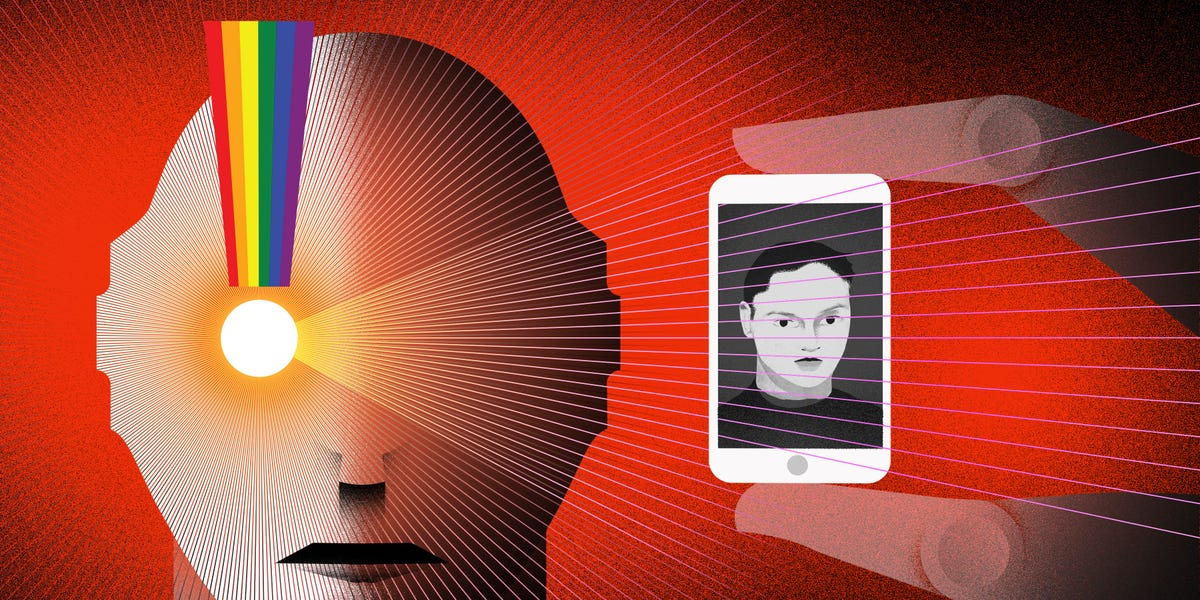
Stanford psychologist Michal Kosinski’s research in psychometrics has sparked both fascination and alarm. For over a decade, he has claimed that machine learning algorithms can discern deeply private information about individuals using seemingly innocuous data like Facebook likes and facial photographs. While Kosinski insists his work aims to warn about privacy risks, critics argue it echoes discredited pseudosciences of the past.
Key Findings and Controversies
- Kosinski’s models claimed to predict traits like sexual orientation and political affiliation from social media data with high accuracy
- His facial recognition research purported to identify gay individuals with 91% accuracy using photographs
- Critics argue the studies are flawed and could be misused to discriminate against minority groups
- Kosinski maintains his goal is to raise awareness of AI’s privacy implications, not create invasive tools
The Ethical Dilemma
Kosinski’s work highlights the tension between advancing AI capabilities and protecting individual privacy. While he positions himself as sounding the alarm on AI’s potential for manipulation and persecution, his continued research in this domain raises ethical questions. As AI systems become more sophisticated at analyzing human behavior, society faces critical choices about how to develop and regulate these technologies responsibly.