Unveiling the Delay
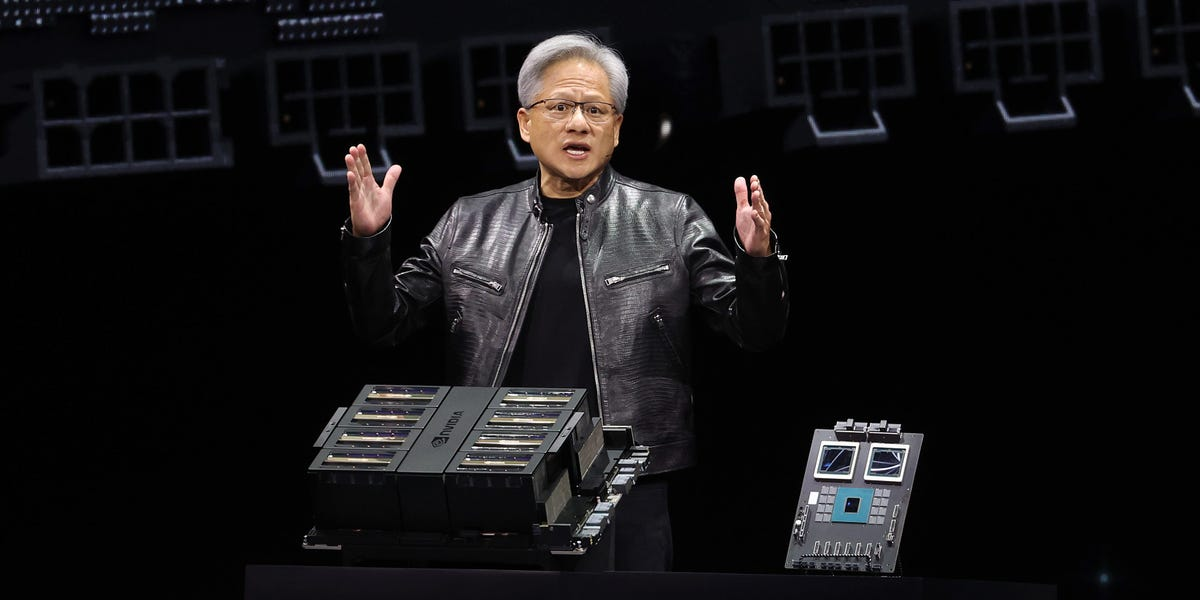
Nvidia’s highly anticipated next-generation AI chip, Blackwell, is facing a setback in its rollout. Initially slated for a fall launch, the full-scale production has been pushed back by two to three months. This delay has sparked discussions about Nvidia’s ability to maintain its ambitious annual product launch cycle.
Key Details
- Production challenges are causing “major issues in reaching high volume,” according to research firm Semianalysis.
- Some customers may receive older Hopper chips instead of the delayed Blackwell chips.
- The delay is attributed to the complex design of Blackwell and manufacturing challenges with Taiwan Semiconductor Manufacturing Company.
- Nvidia’s largest customers, including Meta, Microsoft, and Google, could be affected by this delay.
Impact and Outlook
Despite the setback, industry analysts remain optimistic about Nvidia’s position in the AI chip market. The company’s competitive advantage is still substantial, and demand for its products continues to rise. Major tech companies have indicated that their investment in AI computing infrastructure is far from slowing down. While the delay may pose challenges to Nvidia’s annual product launch strategy, it is unlikely to significantly impact the company’s market share or revenue in the short term. The situation underscores the complexities involved in pushing the boundaries of AI chip technology and the delicate balance between innovation and production scalability in the semiconductor industry.