
The AI Revolution in Schools
As students across Tampa Bay prepare for the new school year, artificial intelligence (AI) is emerging as a transformative force in education. This technological shift is sparking discussions among parents, teachers, and students about the role of AI tools like ChatGPT in classrooms. While some educators are embracing AI as an integral part of future learning, others express concerns about its potential negative impacts on student skills and learning outcomes.
Key Perspectives on AI in Education
- Joanne Glenn, principal of Angeline Academy of Innovation, advocates for teaching students to use AI ethically, viewing it as a permanent fixture in education.
- Luis Vargas, a tech professional and parent, emphasizes the importance of responsible AI use and its potential to enhance efficiency in learning.
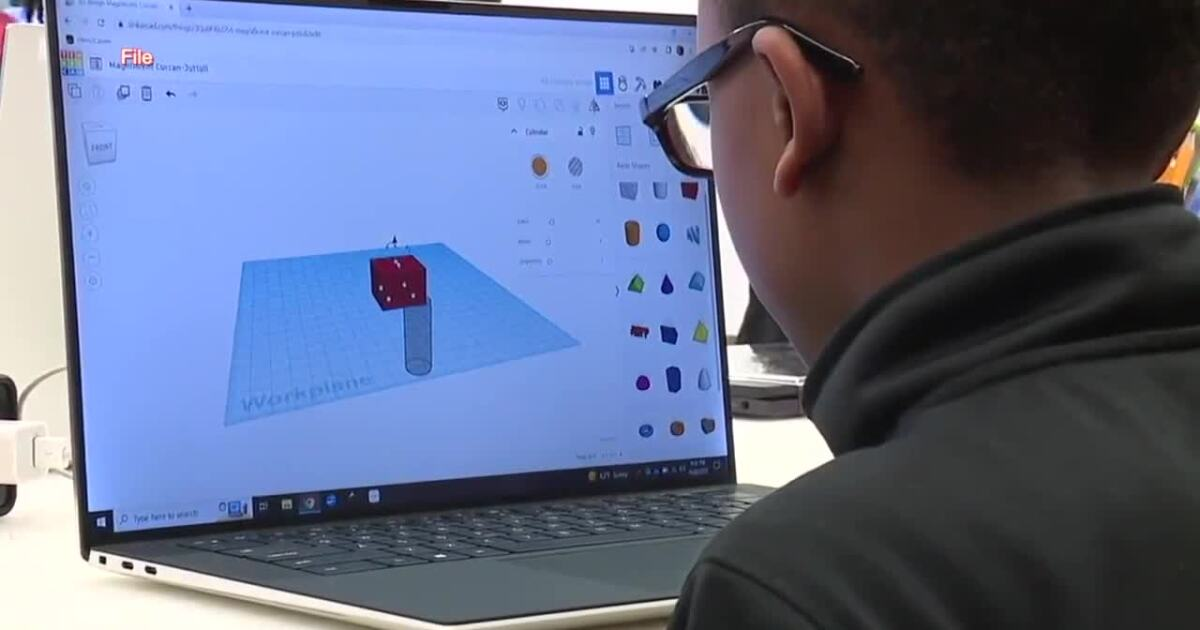
- Robotics students at Angeline Academy are enthusiastic about incorporating AI into their projects, particularly in areas like machine learning.
- John Licato from USF’s Computer Science and Engineering Department cautions about the overreliance on AI for writing tasks, noting a decline in writing skills among students.
Navigating the AI Landscape in Education
The integration of AI in education presents both opportunities and challenges. While it offers innovative ways to enhance learning experiences and prepare students for a tech-driven future, it also raises concerns about maintaining academic integrity and fostering essential skills. As schools navigate this new terrain, the focus is on striking a balance between leveraging AI’s benefits and ensuring students develop critical thinking and writing abilities. The ongoing dialogue among educators, parents, and students will be crucial in shaping policies and practices that promote responsible and effective AI use in education.





