Understanding the Concerns with Cybercheck
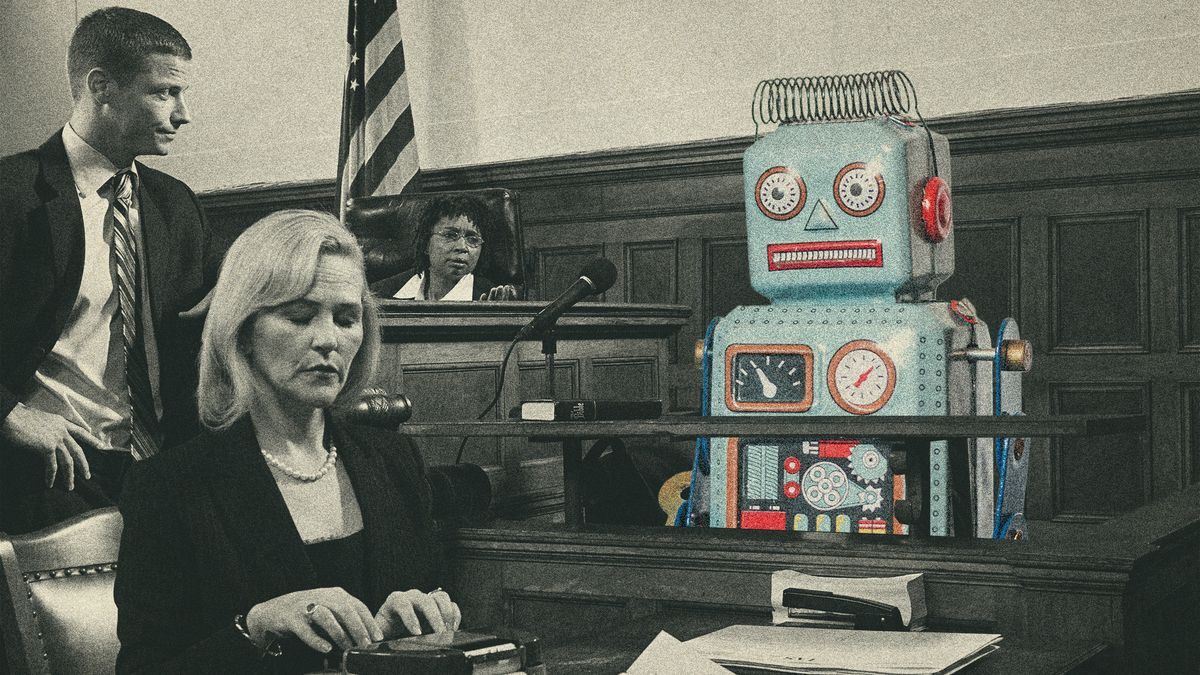
The rise of artificial intelligence in law enforcement has sparked debate over the use of AI tools like Cybercheck. This software analyzes extensive data to aid investigations, but it faces scrutiny regarding its reliability and methodology. Critics argue that the technology is not transparent and may lead to wrongful convictions. The case of Adarus Black, convicted based on Cybercheck’s algorithm, highlights the potential dangers of relying on such tools without thorough vetting.
Key Issues at Hand
- Cybercheck uses secret algorithms to analyze data, raising concerns about its reliability.
- Defense attorneys struggle to challenge evidence generated by AI due to proprietary trade secrets.
- Inconsistencies in founder Adam Mosher’s credentials have been noted, leading to questions about his testimony.
- Courts have begun to push back against Cybercheck, with some judges blocking its use due to lack of proven accuracy.
The Bigger Picture: Justice and AI
The use of AI in criminal justice poses significant ethical questions. Trusting a private company to provide evidence that can determine someone’s freedom contradicts the principles of due process. As AI tools become more common, ensuring their reliability and transparency is crucial for fair trials. The ongoing debates and legal challenges surrounding Cybercheck may shape future regulations on AI in law enforcement, impacting how justice is served.