
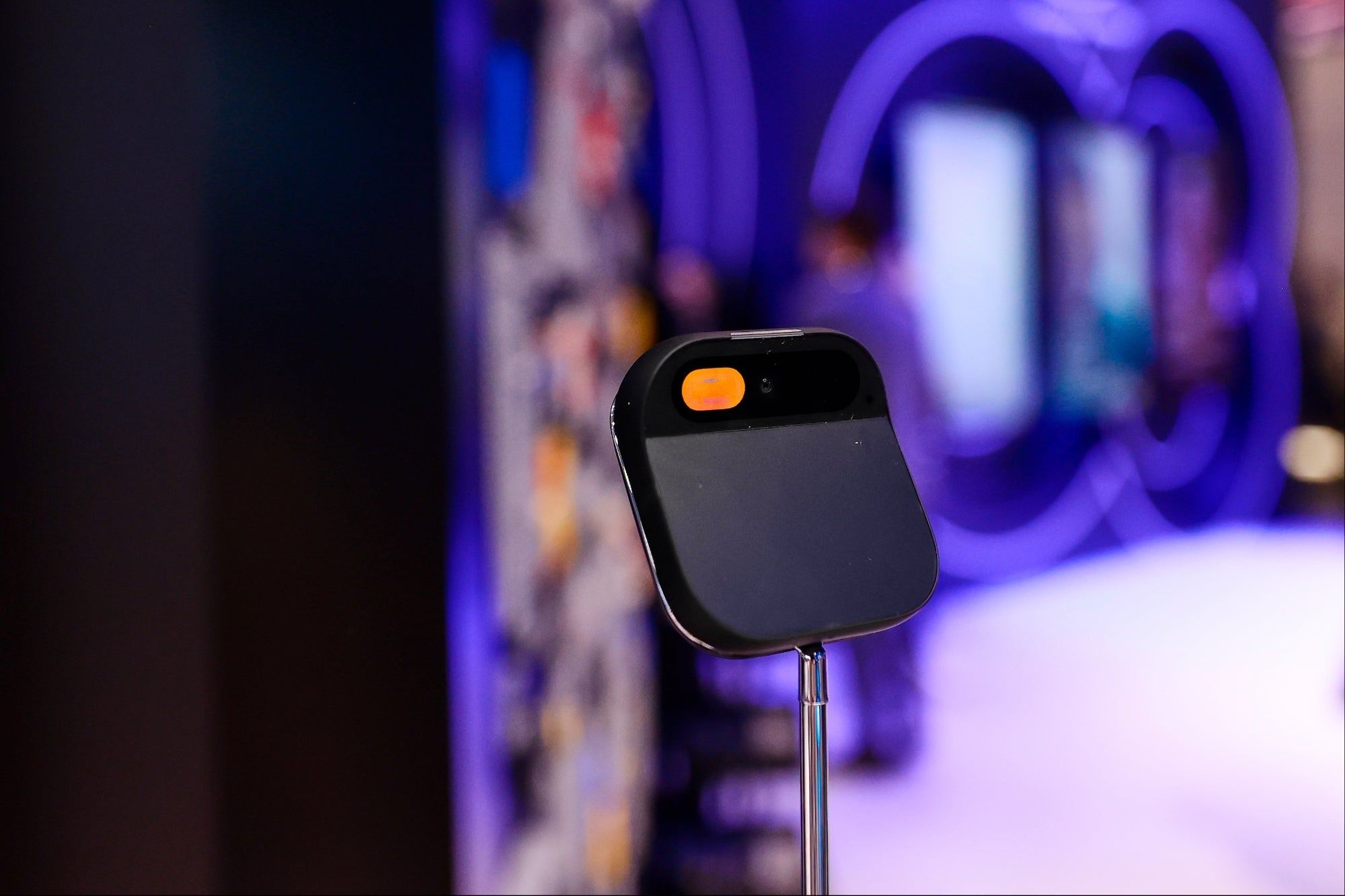
Overview of the Situation
Humane’s Ai Pin was launched with high expectations, aiming to replace smartphones with an innovative wearable device. It raised over $200 million from major investors, including Microsoft and OpenAI’s CEO. The device features a laser projector that creates a screen on the user’s palm, allowing for calls, texts, and translations. However, sales have not met expectations, with more units returned than sold since its release.
Key Insights
- The Ai Pin has generated $9 million in sales but faced $1 million in returns shortly after launch.
- Internal data revealed that between May and August, returns outpaced purchases.
- Critics highlighted significant performance issues, such as slow response times and overheating.
- The translation feature failed to accurately interpret simple phrases in Asian languages, leading to user frustration.
- A limitation from T-Mobile prevents the resale of returned devices, complicating Humane’s recovery efforts.
Significance of the Findings
The struggles of the Ai Pin highlight the challenges startups face when introducing groundbreaking technology. Despite its innovative design and potential, the product fell short in execution. This situation serves as a cautionary tale for other tech companies, emphasizing the importance of delivering on promises. With only 10,000 units sold against a target of 100,000, it raises questions about market readiness and consumer expectations in the wearable tech space. The outcome of the Ai Pin could influence future investments and development in similar technologies.





