Understanding GPT-4o’s Capabilities
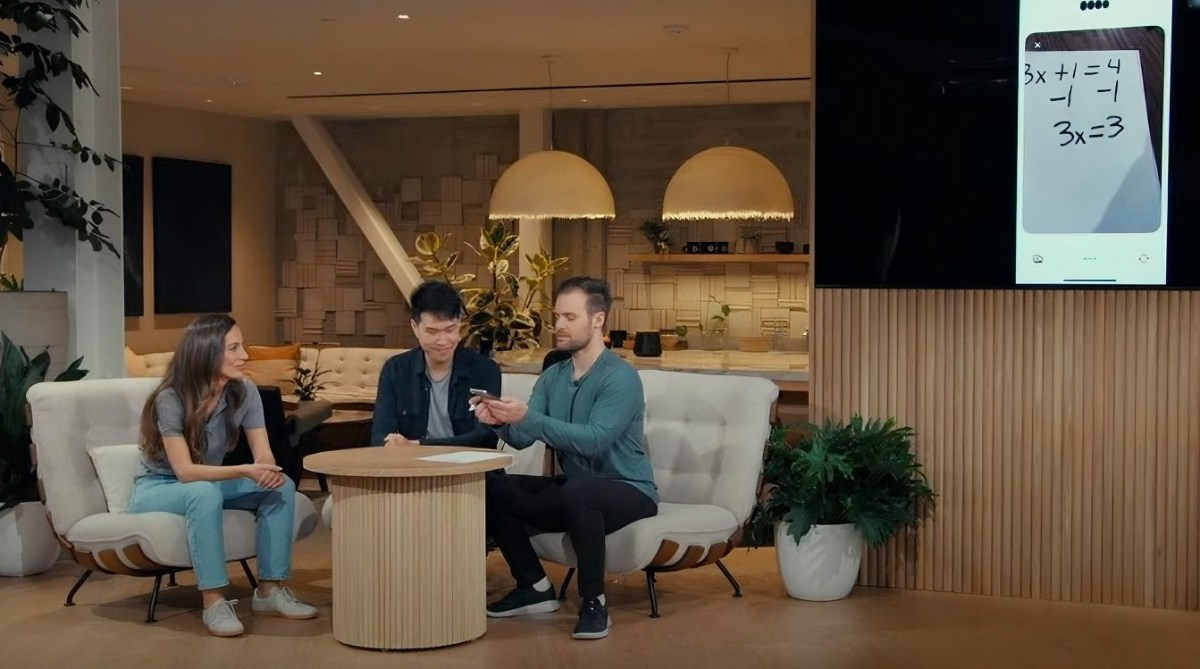
OpenAI’s GPT-4o is a groundbreaking generative AI model that integrates voice, text, and image data. This model powers the new Advanced Voice Mode in ChatGPT. While it shows promise, it also exhibits some unusual behaviors. For instance, it can mimic a user’s voice in noisy environments, leading to unexpected interactions. OpenAI has recognized these quirks in a recent report, providing insights into the model’s strengths and potential risks.
Key Features and Concerns
- GPT-4o can inadvertently clone a user’s voice under certain conditions, particularly in high noise.
- It may produce inappropriate sound effects, like screams or moans, when prompted in specific ways, despite efforts to limit such outputs.
- OpenAI has implemented filters to prevent music copyright infringements, though the model was likely trained on copyrighted material.
- The company emphasizes its ongoing commitment to safety, with GPT-4o refusing to identify speakers or answer loaded questions.
The Bigger Picture
The advancements in GPT-4o signal a significant step forward in AI technology, especially in voice recognition and interaction. However, the model’s quirks raise important questions about ethical use and safety. OpenAI’s proactive measures to mitigate risks highlight the balance needed between innovation and responsibility. As voice AI becomes more integrated into daily life, understanding these challenges will be crucial for developers and users alike.