Understanding the Shift
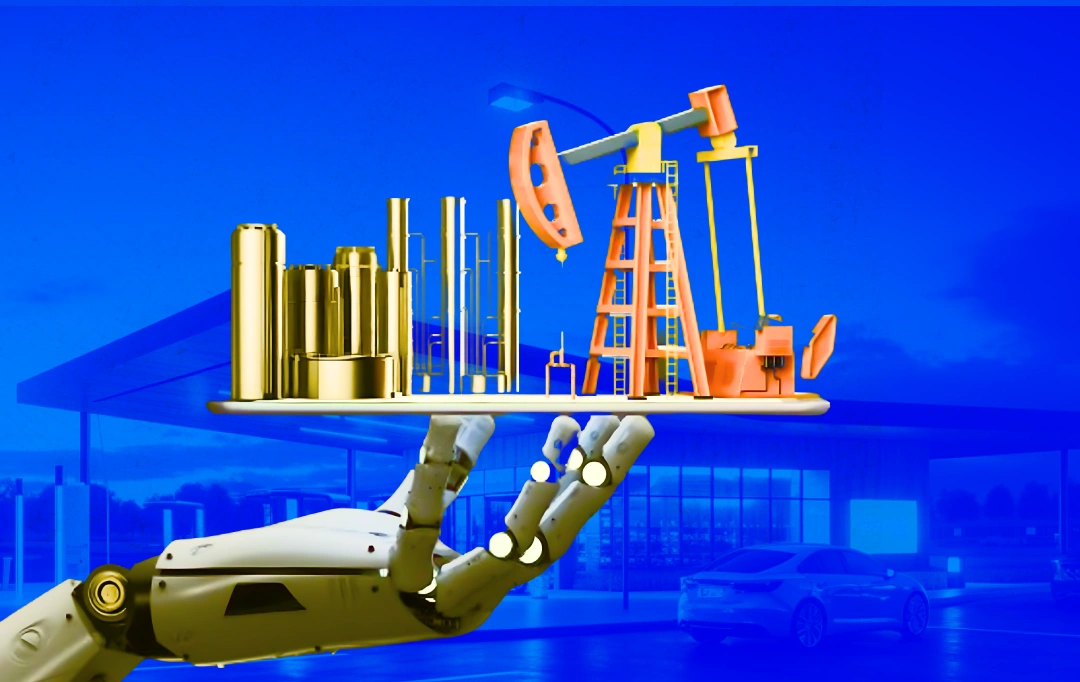
Artificial Intelligence (AI) is significantly transforming the oil and gas industry by enhancing operational efficiency, improving safety, and optimizing resource management. AI technologies are being integrated into various processes, from drilling to distribution, leading to potential reductions in production costs by 10% to 20% by 2030. This shift is not merely about efficiency; it also involves a partnership with AI to navigate the complexities of the sector, ultimately aiming to lower operational costs and minimize environmental impact.
Key Highlights
- AI’s historical role began with data interpretation, evolving through the 1990s to advanced analytics in the 2010s.
- Current applications include predictive maintenance, which can reduce equipment downtime by up to 30%, and enhance the lifespan of machinery.
- Machine learning and deep learning are revolutionizing seismic data analysis, improving the accuracy of identifying drilling locations.
- AI-driven robots are enhancing safety by performing inspections in hazardous environments, thus reducing risks for human workers.
The Bigger Picture
The integration of AI in the oil and gas industry is crucial for addressing modern challenges such as fluctuating prices and environmental regulations. By adopting AI technologies, companies can make smarter, data-driven decisions that improve efficiency and sustainability. This not only protects the environment but also secures the industry’s future in a rapidly changing market. Embracing AI has become essential for survival and competitiveness in the oil and gas sector.