
Understanding the Breakthrough
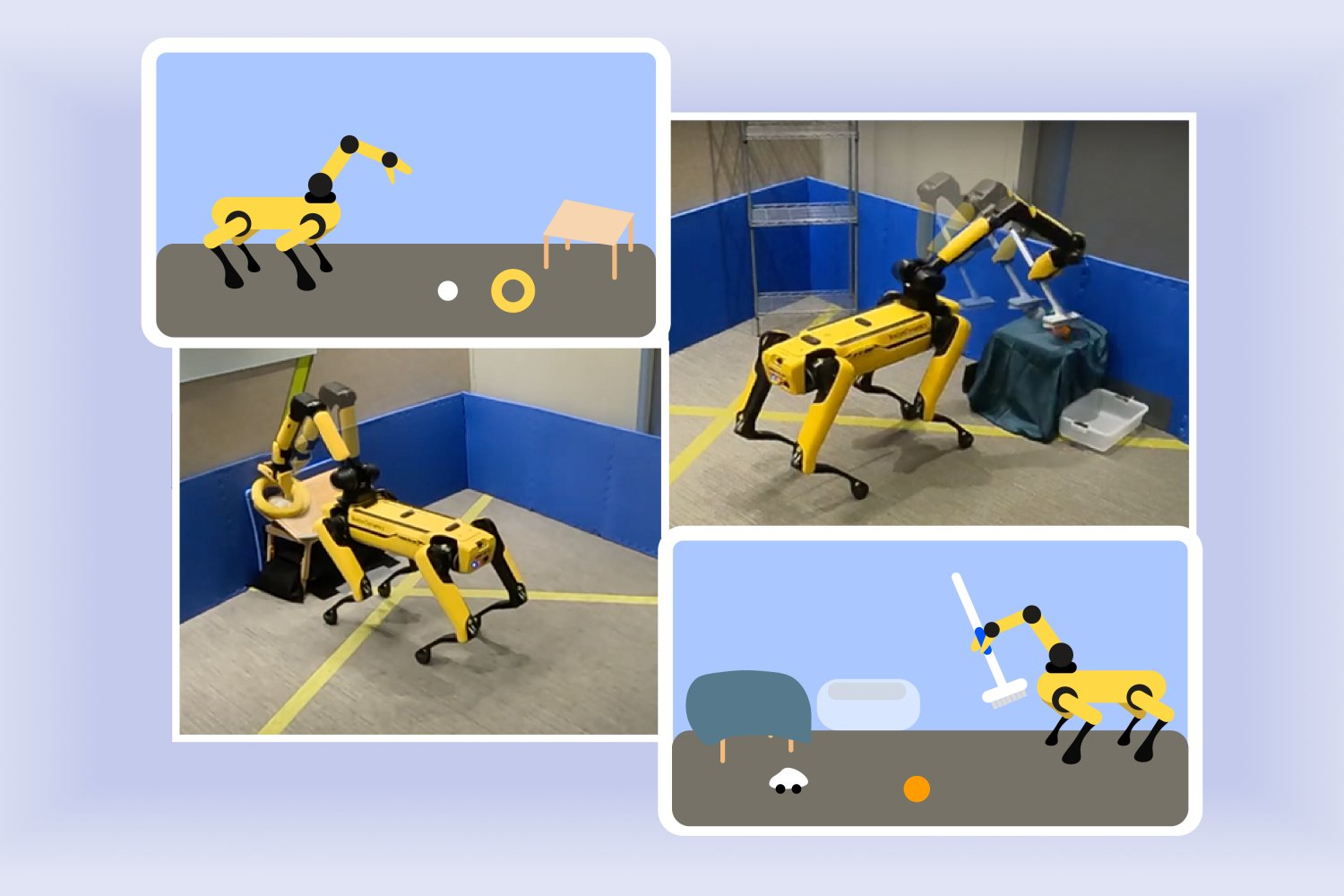
Recent advancements in robotics have introduced a new algorithm called “Estimate, Extrapolate, and Situate” (EES), developed by researchers from MIT and The AI Institute. This algorithm allows robots to practice and enhance their skills independently in unfamiliar environments. Instead of relying on human programming, the robots can assess their performance, identify areas for improvement, and refine their actions through practice. EES aims to make robots more efficient in tasks like cleaning and manipulation, ultimately enabling them to operate effectively across various settings such as homes, hospitals, and factories.
Key Features of EES
- EES utilizes a vision system to track the robot’s surroundings and performance.
- The algorithm predicts improvements in task performance based on skill refinement.
- Trials showed significant time reductions in learning tasks, with robots improving in just a few hours.
- Future developments may include combining real-world practice with simulations to enhance learning speed.
The Importance of Autonomous Learning
The ability for robots to learn on their own is crucial for their integration into daily life. As household robots become more common, they will need to adapt to various tasks without extensive pre-programming. This research represents a significant step towards creating robots that can evolve and improve through experience. The structured approach of EES not only boosts efficiency but also reduces the risk of unintended consequences from unguided learning. This innovation could lead to smarter robots capable of performing a wide range of tasks, ultimately transforming how we interact with technology in our homes and workplaces.





