Understanding the Transformation
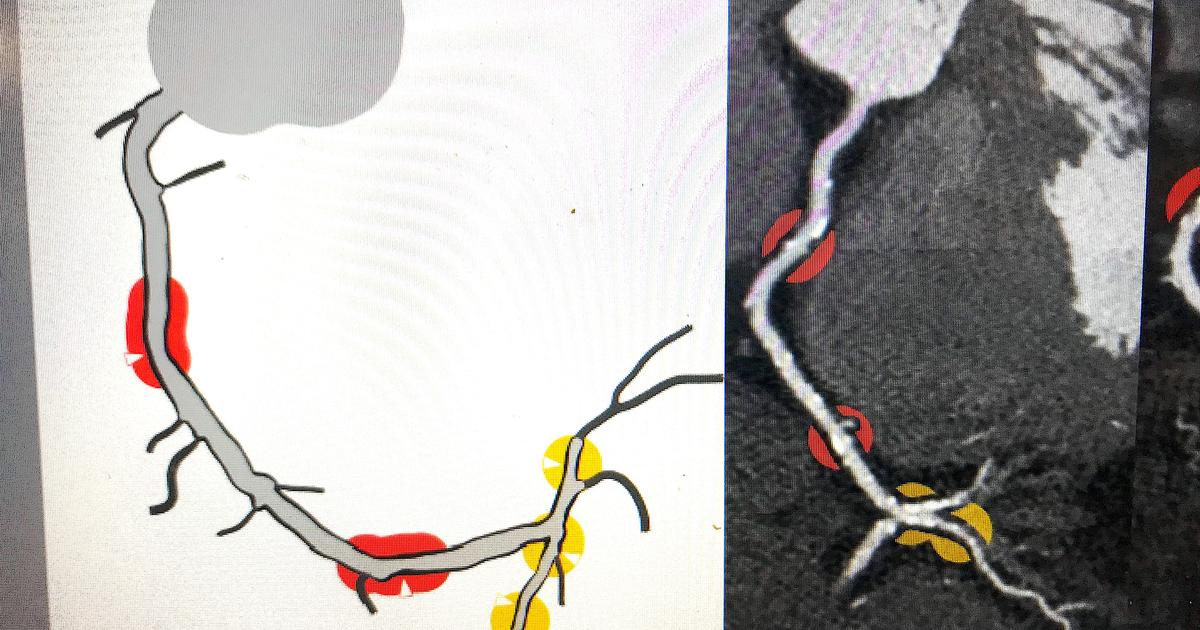
Recent advancements in AI technology are reshaping cardiology. New algorithms, like HeartFlow’s Roadmap Analysis AI, assist in analyzing cardiac CT scans. These tools provide detailed assessments, making it easier for doctors to communicate with patients about their health. AI is also streamlining workflows in echocardiography and improving patient monitoring through wearable devices.
Key Features of AI in Cardiology
- HeartFlow’s AI offers automated measurements for coronary artery disease, enhancing accuracy and efficiency.
- Siemens’s echocardiography system automates measurements, speeding up exams and reducing workload.
- Wearable cardiac monitors record patient data continuously, allowing for better monitoring and quicker interventions.
- AI helps manage the overwhelming amount of data generated, reducing clinician burnout and improving patient care.
The Bigger Picture
The integration of AI in cardiology is significant for future healthcare. It promises to enhance patient engagement and tailor treatments to individual needs. By identifying at-risk patients earlier, AI can facilitate timely interventions, improving overall health outcomes. Moreover, AI’s ability to manage data alleviates the burden on healthcare providers, allowing them to focus more on patient interaction. This shift not only makes economic sense but also fosters better relationships between doctors and patients, ultimately leading to improved care.