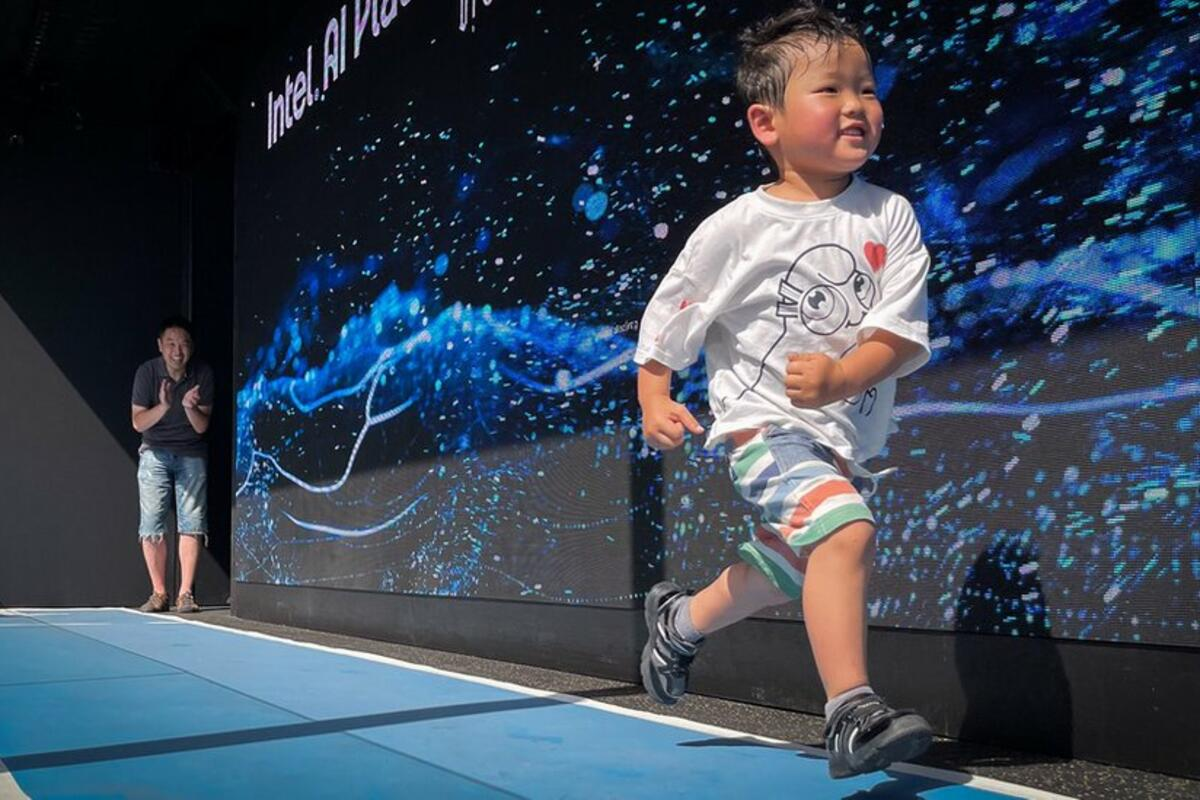
Overview of the AI Talent Detection System
A new artificial intelligence system is being trialed at the Paris Olympics, aimed at identifying potential sports talent among young athletes. Developed for portability, this technology seeks to extend advanced sports assessments to remote areas where traditional methods are unavailable. During the trials, children like Takto and Tomo from Japan are being monitored as they engage in various sports activities. Their movements are tracked using cameras, and data is collected on key physical abilities, including running, jumping, and grip strength.
Key Features of the Technology
- The system uses computer vision and historical data to compare participants with elite athletes.
- It assesses five core sports abilities: strength, explosiveness, endurance, reaction time, and agility.
- After testing, participants receive feedback on which sport suits them best based on their results.
- A portable version of the technology can be used on devices like mobile phones and tablets, making it accessible in areas lacking high-tech equipment.
Significance of the Initiative
This initiative is crucial for discovering young talent in underserved regions. By enabling early recognition of potential athletes, it opens doors for participation in sports programs. While the system has limitations in measuring skills requiring technical prowess, it serves as an initial tool for identifying athletic talent. The broader implications include enhancing sports development and creating opportunities for youth worldwide, especially in places where conventional testing methods are impractical.