
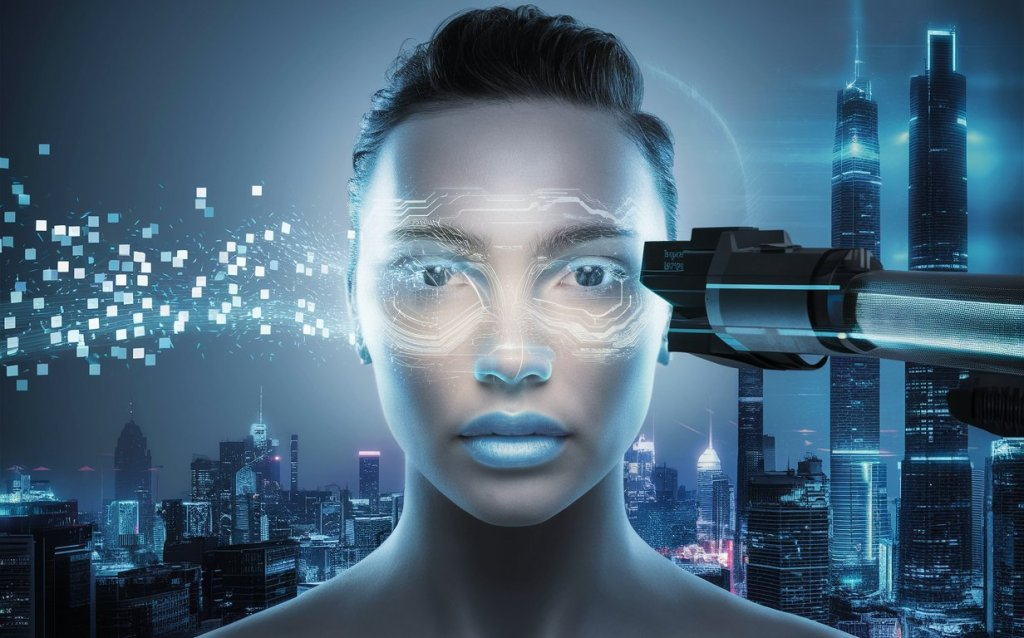
Understanding the Deepfake Dilemma
Deepfakes have emerged as a significant threat to organizations and individuals alike. These are manipulated media that create false images, videos, and voices with malicious intent. Recent surveys indicate that nearly half of organizations have encountered deepfakes, and a large majority believe they will impact their operations significantly. Despite this, many companies are not taking the threat seriously enough. The technology behind deepfakes has become increasingly sophisticated, making them hard to detect. This has led to alarming incidents where employees have fallen victim to deepfake scams, resulting in substantial financial losses.
Key Insights on the Deepfake Threat
- 47% of organizations have faced a deepfake incident.
- Deepfakes are now tied for third place as a security concern, alongside phishing and social engineering.
- Organizations in Asia Pacific and Europe are more likely to encounter deepfakes than those in North America.
- 75% of companies are adopting facial biometrics as a primary defense against deepfakes.
The Importance of Addressing Deepfakes
The rise of deepfakes poses a serious challenge to trust in digital communications. As these technologies evolve, they can undermine the integrity of information and security systems. Organizations need to implement robust measures, including biometric authentication and employee training, to combat this threat. With the global nature of the internet, a coordinated effort is essential to tackle deepfakes effectively. Amlani emphasizes the urgency for organizations to arm themselves against this growing issue, as the consequences of inaction can be dire.





