Understanding the Shift
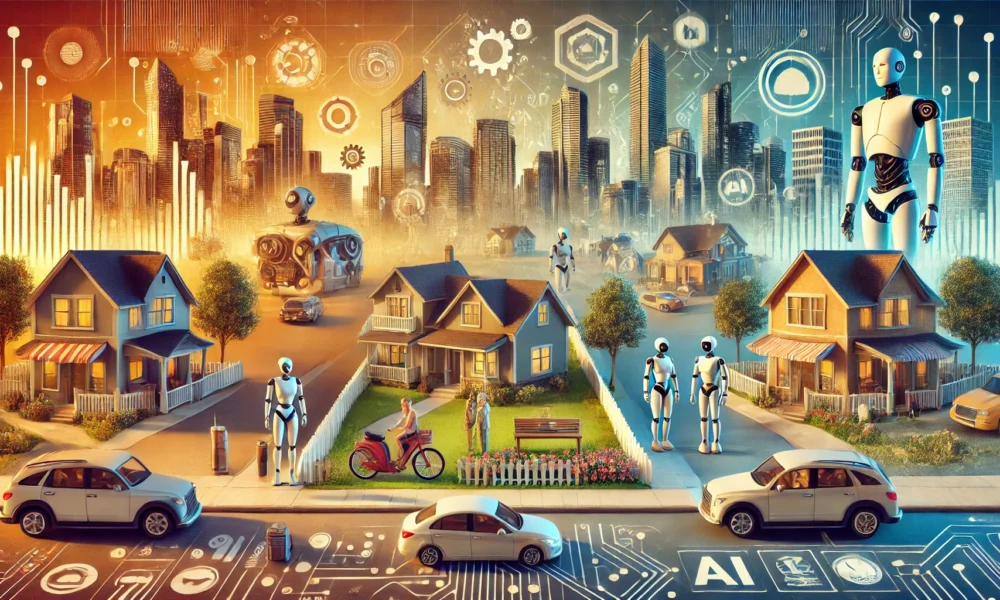
Artificial intelligence (AI) is becoming a significant part of daily life and has the potential to change the middle class dramatically. While it brings exciting innovations, it also poses challenges that need careful consideration. The middle class has historically been a pillar of economic stability and social progress. However, recent trends show a decline in its size and influence due to factors like globalization and automation.
Key Insights
- The middle class has shrunk from 61% of adults in 1971 to about 51% in 2023.
- Job losses in manufacturing and wage stagnation are major concerns.
- AI could displace up to 30% of jobs by 2030, particularly in vulnerable sectors.
- New job opportunities in data science and cybersecurity are emerging, with a projected 35% growth in data scientist roles.
The Bigger Picture
The future of the middle class depends on how society adapts to these changes. Emphasizing education and skill development is crucial, especially in STEM fields. Workers must be flexible and ready for continuous learning to thrive in a gig economy. Government and corporate support for retraining initiatives can help mitigate job displacement effects. The trajectory of the middle class hinges on proactive measures to ensure that AI benefits everyone, rather than deepening economic divides. The balance between leveraging AI for growth while protecting workers will determine the stability and prosperity of future generations.