The Controversy
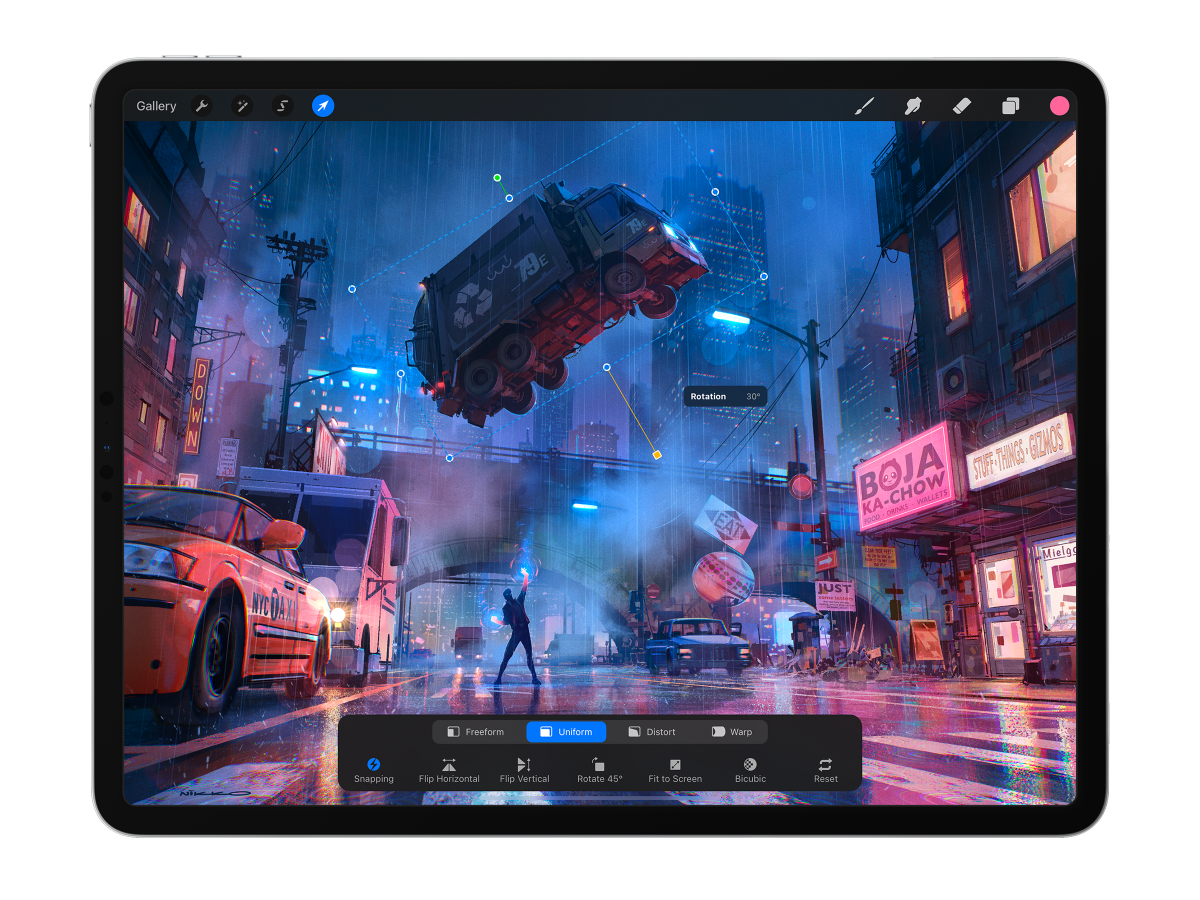
Procreate, a popular digital illustration app, has taken a firm stance against generative AI. James Cuda, the CEO of Savage Interactive (the company behind Procreate), has publicly declared his opposition to incorporating this technology into their products. This decision stands in stark contrast to many other software companies that are rushing to integrate generative AI features.
Key Points
- Procreate views generative AI as a threat to human creativity
- The company pledges never to include generative AI features in its products
- This move is seen as a marketing strategy to differentiate Procreate from competitors
- The decision has sparked debate in the tech and creative communities
Implications and Context
This bold move by Procreate highlights the growing divide in the tech industry regarding generative AI. While some companies embrace the technology, others, like Procreate, are positioning themselves as champions of human creativity. This stance resonates with artists who feel that generative AI exploits their work without permission or compensation. The debate surrounding generative AI touches on ethical, moral, and legal concerns about data sourcing and training processes.
Procreate’s decision may appeal to users who value traditional digital art creation methods and are wary of AI-generated content. However, it also raises questions about the long-term competitiveness of the app in a rapidly evolving digital landscape. By rejecting generative AI, Procreate is betting on the enduring value of human-driven creativity in the face of technological advancements.
This controversy reflects broader societal discussions about the role of AI in creative fields. It forces us to consider the balance between technological progress and preserving human artistic expression. As the debate continues, Procreate’s stance serves as a notable example of a company prioritizing its core values and user base over the pressure to adopt trending technologies.
The situation also brings attention to the need for clearer guidelines and ethical standards in the development and use of generative AI technologies. As more companies take sides in this debate, it may shape future policies and practices in the tech and creative industries.
Sources: techcrunch.com, venturebeat.com
Image Source: techcrunch.com