
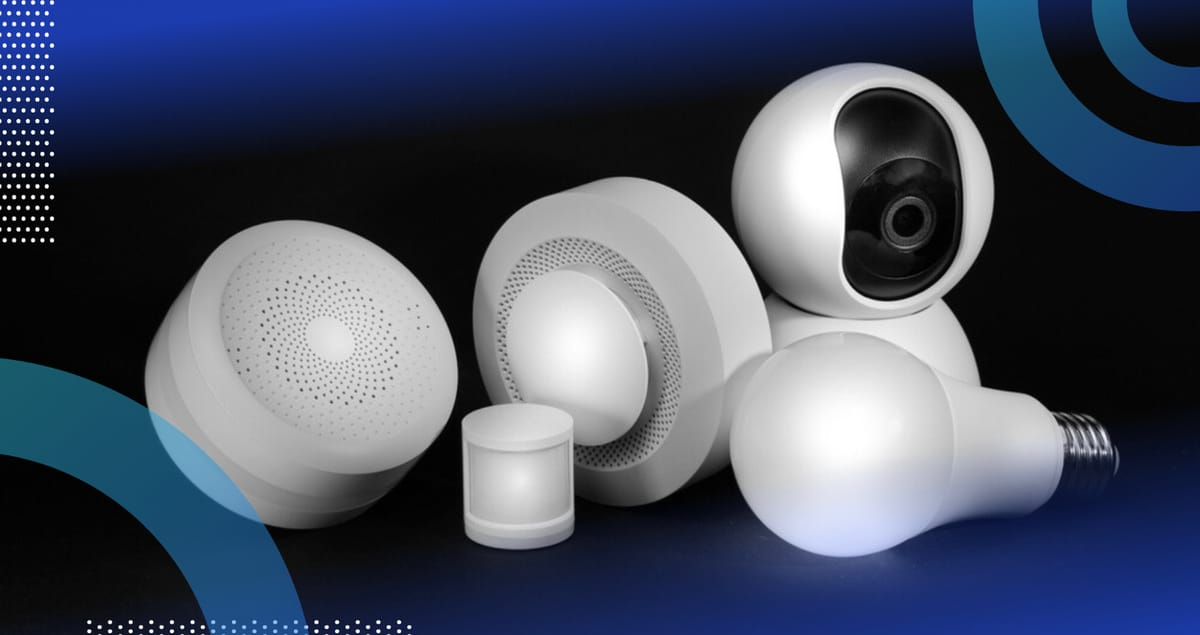
What AIoT Represents
AIoT, or the AI of Things, merges artificial intelligence with the Internet of Things, enhancing how devices manage data and interact with their environment. This integration is set to nearly double the value of IoT to around $1 trillion within five years. The shift from simple data collection to intelligent decision-making is promising but comes with significant challenges. Developers face hardware limitations and the complexity of balancing device capabilities with cost efficiency.
Key Details
- The edge revolution allows devices to process data locally, reducing latency and increasing efficiency.
- AI enhances device autonomy, enabling real-time decision-making without relying on cloud servers.
- Privacy is improved since sensitive data is processed on the device itself, minimizing exposure to breaches.
- Challenges include hardware limitations, the need for redesigns, and storage constraints compared to cloud solutions.
Importance of AIoT
The evolution of AIoT is crucial for advancing connected devices, promising faster processing and improved privacy. As industries adopt AI and edge computing, the potential for innovative applications expands. However, developers must navigate the challenges of integrating AI while ensuring devices remain efficient and effective. The future landscape may consist of numerous small, intelligent devices or a centralized system managing simpler sensors. This balance will shape how industries leverage AIoT to enhance operations and decision-making.





