
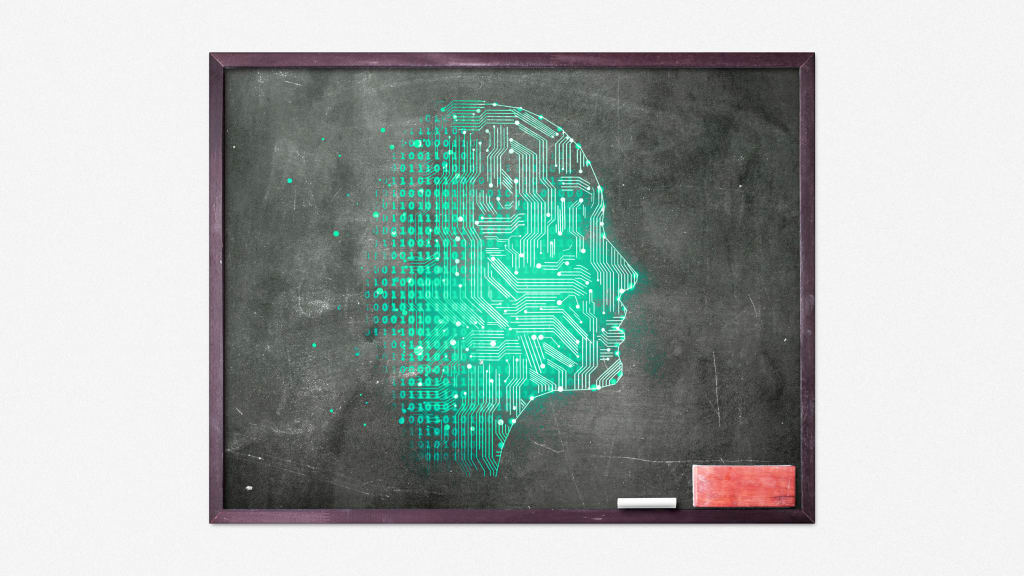
Understanding the Vision and Reality
The potential of artificial intelligence in education is a hot topic, especially with ideas like AI bots acting as personal tutors. Andrej Karpathy, a notable figure in AI, imagines a future where these bots can teach millions, inspired by historical educators like Richard Feynman. However, despite the allure of tech-driven learning, history shows that technological solutions often fail to engage students effectively. While AI can support education, it is unlikely to replace the human connection that many students crave.
Key Insights
- AI technology is being integrated into educational platforms, with over 1,000 universities adopting AI materials for fall 2024.
- Previous attempts at tech-based learning, like teaching machines and MOOCs, lost student interest due to lack of engagement.
- Students often prefer human interaction and may not turn to bots for emotional support during crises.
- Concerns about data privacy and the loss of diverse perspectives in learning are significant issues with AI education.
The Bigger Picture
While AI offers exciting possibilities, we must remain cautious. The effectiveness of AI in education is still uncertain. The desire for personalized learning should not overshadow the importance of human teachers who inspire and connect with students. The history of educational technology teaches us to be skeptical of promises that lack proven results. Balancing AI’s potential with the irreplaceable value of human educators is essential for the future of learning.





