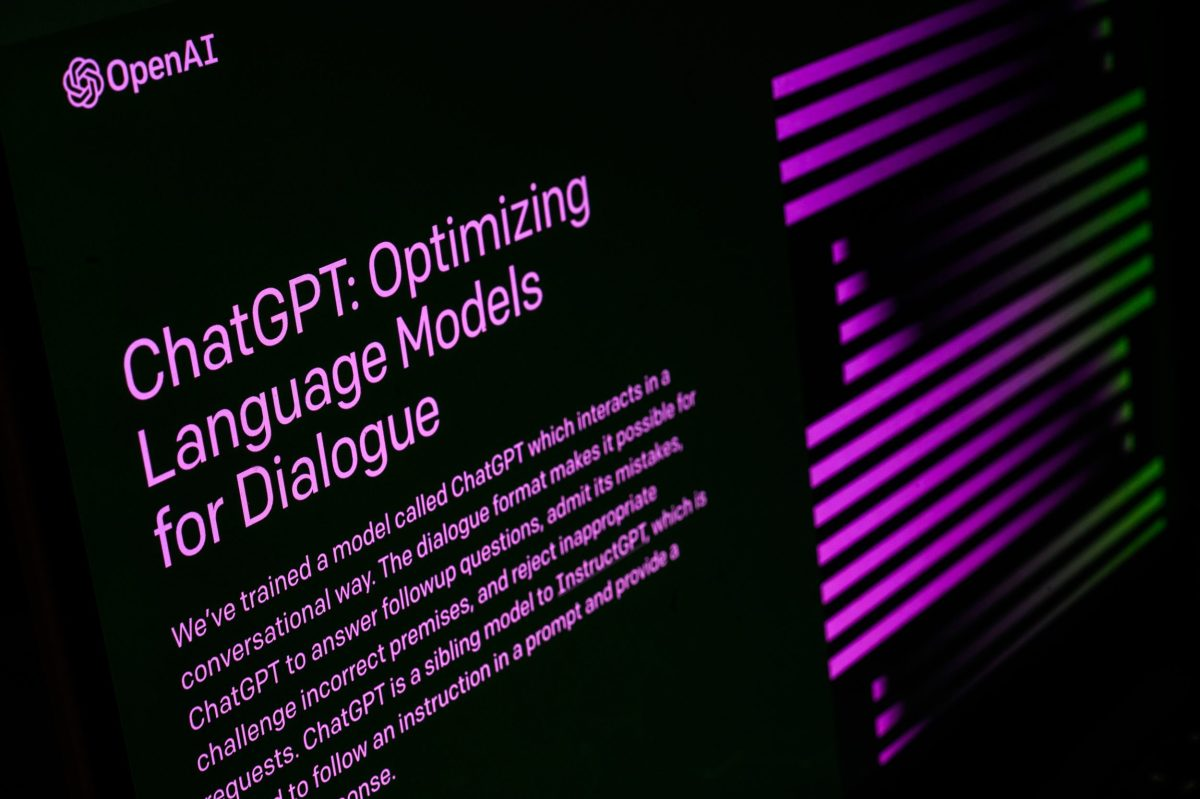
Overview of ChatGPT’s Evolution
ChatGPT, developed by OpenAI, has rapidly transformed since its launch in November 2022, now serving over 92% of Fortune 500 companies. The chatbot has evolved from a simple writing tool to a powerful AI model, GPT-4o, which includes voice and vision capabilities. The recent partnership with Apple for its generative AI offering, Apple Intelligence, marks a significant milestone in the AI landscape. However, OpenAI is not without challenges, facing internal turmoil, lawsuits, and controversies surrounding its features.
Key Developments:
- OpenAI’s GPT-4o, the latest model, is now the default version, offering enhanced functionalities.
- Controversies have arisen over a voice feature that reportedly mimicked Scarlett Johansson, leading to its temporary suspension.
- OpenAI has entered multiple content deals with major publishers like Condé Nast and TIME, allowing integration of quality journalism into its platforms.
- The company is grappling with legal challenges, including lawsuits for copyright infringement from major newspapers.
Significance of These Changes
The advancements in ChatGPT and its widespread adoption highlight the growing reliance on AI in various sectors. As OpenAI continues to innovate, the implications of its technology on industries, education, and content creation are profound. The ongoing legal and ethical challenges underscore the need for responsible AI development and usage. The future of AI, particularly in enhancing productivity and creativity, remains bright but complicated, as stakeholders navigate the balance between innovation and regulation.