Understanding the Ownership of AI Creations
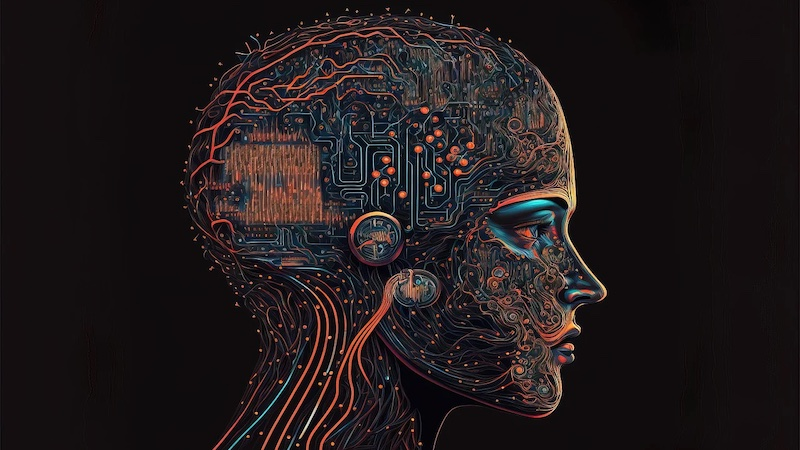
The rise of artificial intelligence (AI) has sparked a vital debate about who owns the content generated by these technologies. As AI systems can now create art, music, and text independently, the legal frameworks surrounding copyright, patent, and trademark laws are being challenged. The core question is whether the outputs of AI systems, like OpenAI’s DALL-E and ChatGPT, can be considered original works of authorship or if they belong to the companies that own the AI. This issue is compounded by the fact that AI systems are trained on massive datasets, often including copyrighted materials. The legal landscape is murky, with courts yet to clarify how fair use standards apply to AI-generated content.
Key Points of Discussion
- AI-generated content raises questions about human authorship and ownership rights.
- Current U.S. Copyright Law states that only works created by humans can be registered, leaving AI outputs in a gray area.
- Various countries have differing stances on copyright protection for AI-generated works, with some being more favorable to programmers.
- Ongoing lawsuits involving major tech companies and content creators are testing the boundaries of copyright laws and fair use.
The Importance of Clarity in AI Ownership
The implications of this debate extend far beyond legal definitions; they affect artists, writers, and the very fabric of creative industries. If AI companies can freely use existing works to train their models without compensation, it could undermine the livelihoods of many creators. Conversely, if new regulations are established to protect these rights, it could stifle innovation in AI technologies. The outcome of these discussions will shape the future of creative expression in the digital age, defining the balance between technological advancement and the protection of intellectual property.