
Understanding the Evolution of Depression Treatments
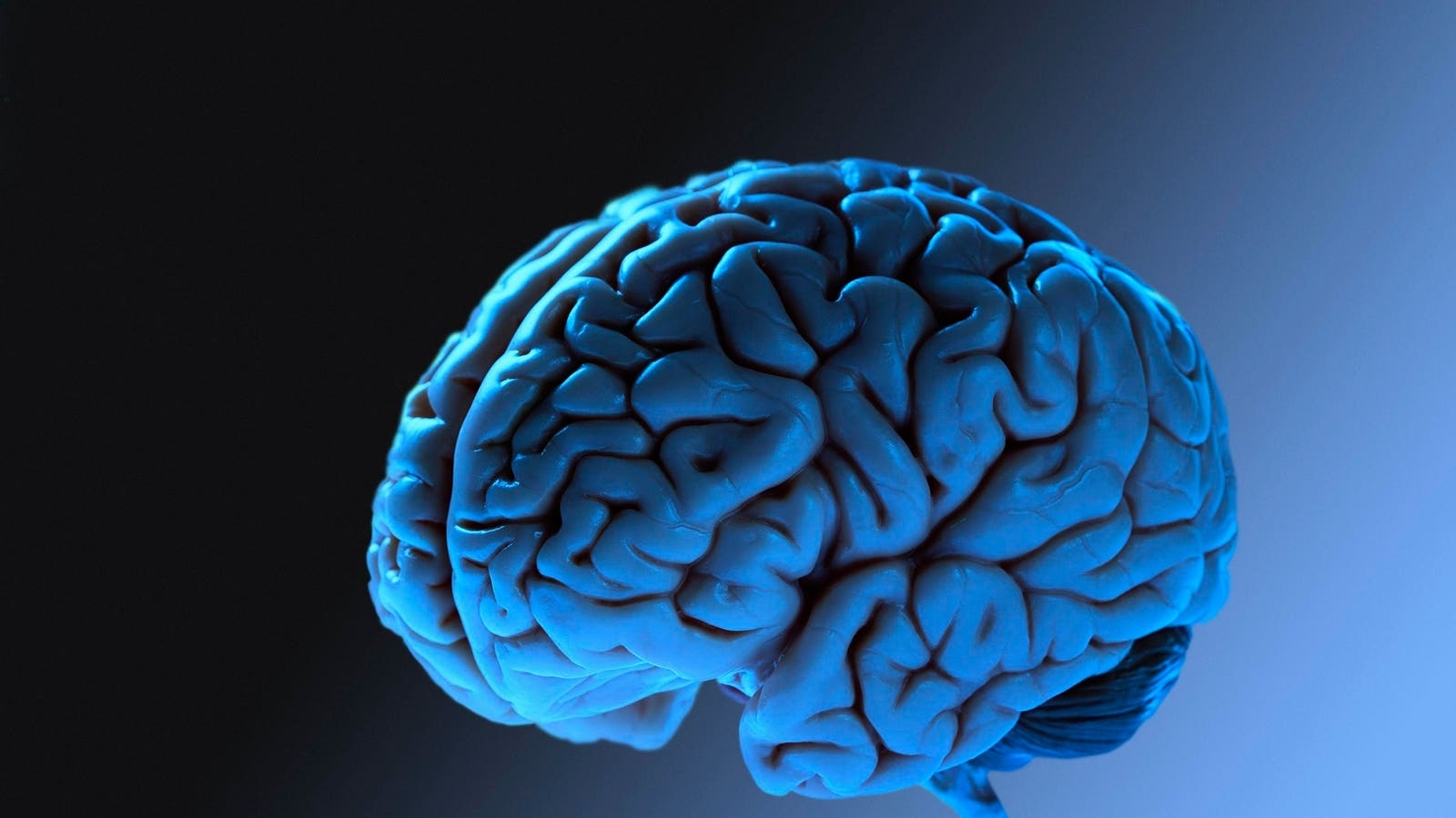
Depression treatment has progressed significantly over the years. Historically, methods like lobotomies and electroconvulsive therapy were common but often resulted in severe side effects. Today, more advanced techniques are emerging. One such innovation is Transcranial Magnetic Stimulation (TMS), which uses magnetic coils to stimulate specific brain areas. However, TMS presents challenges like requiring frequent hospital visits and limited accessibility, especially for those in rural areas.
Key Features of the BCI Technology
- The Brain-Computer Interface (BCI) by Inner Cosmos addresses the limitations of TMS.
- It is a small, wearable device that delivers precise micro-stimulations to the brain, similar to TMS but without hospital visits.
- The BCI can sense brain signals and adjust treatments based on real-time feedback, enhancing effectiveness.
- Clinical trials show promising results, with patients reporting significant improvements in depressive symptoms compared to previous treatments.
The Bigger Picture: A New Era in Mental Health Care
This new approach to depression treatment is groundbreaking. It allows patients to manage their condition from home, making mental health care more accessible and affordable. The BCI’s ability to provide real-time adjustments based on brain activity represents a significant leap forward in understanding and treating depression. The advancements in AI and machine learning not only enhance the technology but also pave the way for future innovations in mental health care. This shift in treatment methods highlights the potential of technology to change lives for the better.





