
Overview of the Situation
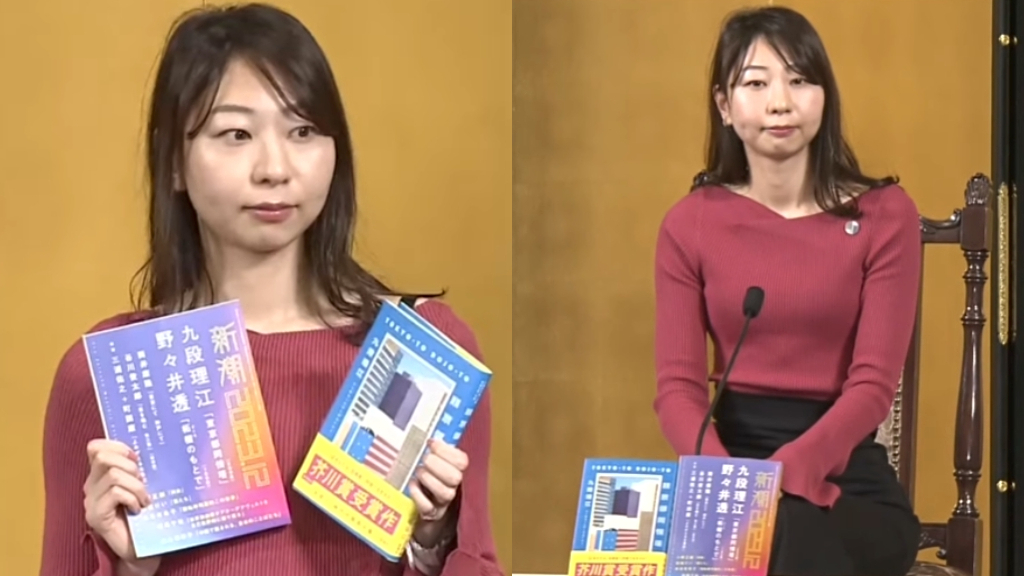
Rie Kudan, a 33-year-old Japanese author, has recently won the prestigious Akutagawa Prize for her novel “Tokyo-to Dojo-to” (“Sympathy Tower Tokyo”). This award is known for recognizing emerging writers in Japan. Kudan’s novel, set in a futuristic Tokyo, explores the challenges faced by an architect tasked with building a high-rise prison. Following her win, Kudan revealed that she used ChatGPT, an AI program, to assist her in the writing process. She stated that about 5% of her novel included text generated by the AI, particularly in crafting dialogue.
Key Details
- Kudan openly admitted to using generative AI, claiming it helped inspire her writing.
- The prize committee praised her work as “practically flawless” and did not see her AI usage as problematic.
- Public opinion is divided; some view the use of AI as questionable and raise concerns about plagiarism.
- Kudan expressed her desire to maintain a positive relationship with AI to enhance her creativity in future projects.
Significance of the Event
Kudan’s win and her use of AI highlight the growing intersection between technology and literature. This situation raises important questions about the role of AI in creative fields. As AI becomes more integrated into the writing process, the boundaries of authorship and originality may shift. The debate surrounding Kudan’s award reflects broader concerns in the literary community about the future of creativity and the potential implications of AI-generated content. As discussions continue, it will be essential to navigate these challenges thoughtfully.





