Overview of the Autonomous Ride-Hailing Landscape
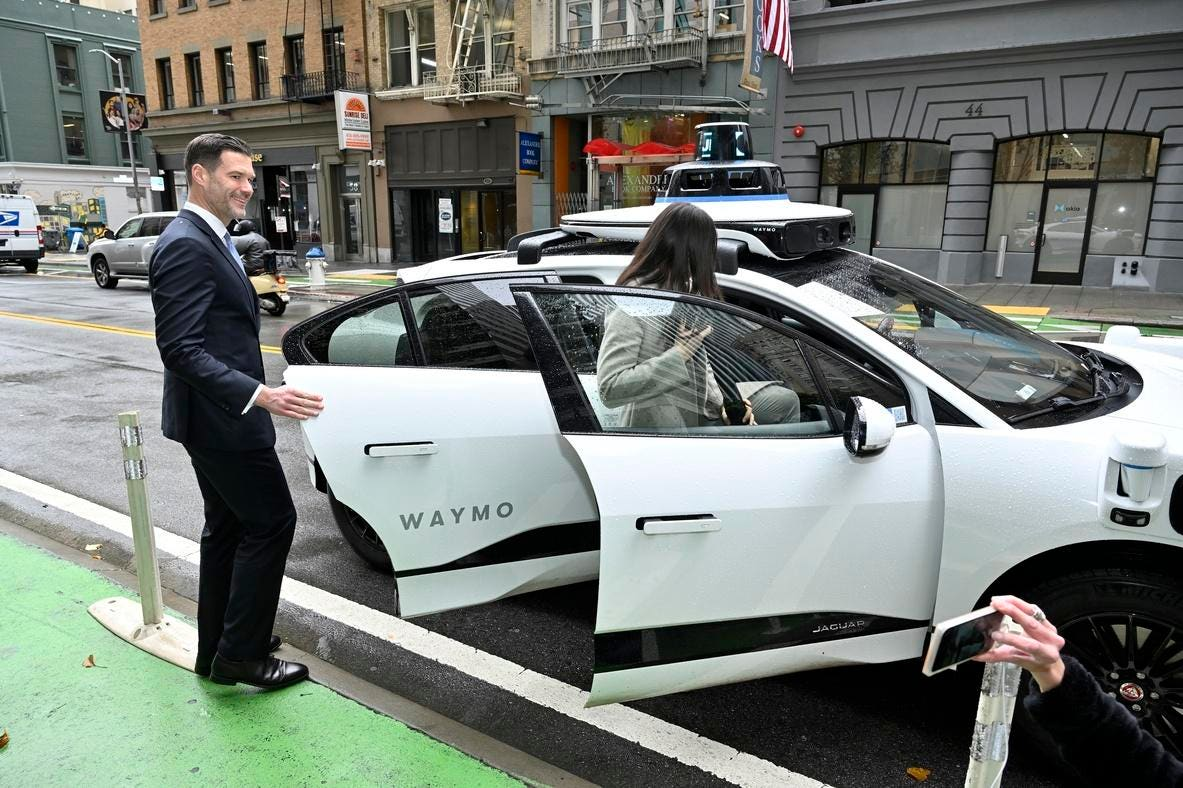
Waymo, a subsidiary of Alphabet, is leading the charge in autonomous ride-hailing services across the U.S. With a recent $5 billion investment, the company is expanding its fleet and service areas. Waymo began offering fully autonomous rides in San Francisco in late 2022 and has quickly gained popularity, boasting a waitlist of 300,000 people. The company operates roughly 700 vehicles in major cities like San Francisco, Phoenix, and Los Angeles, providing over 100,000 paid rides weekly.
Key Details
- Waymo’s fleet includes 700 cars, with 300 in San Francisco alone.
- The service area has expanded to include parts of San Mateo, with testing on I-280.
- Waymo is transitioning to a cost-effective robobus platform in partnership with Geely.
- Competitors like Zoox and Cruise are gearing up to enter the market, with Zoox focusing on a unique bi-directional vehicle.
Significance of the Shift
The rise of autonomous ride-hailing is set to revolutionize urban transportation, promising safer and more efficient travel. With advancements in AI and vehicle technology, companies like Waymo are not only enhancing user experiences but also contributing to a cleaner environment. As the industry evolves, the potential for widespread adoption of autonomous vehicles could reshape city landscapes and reduce traffic-related fatalities. The competition among various players will likely drive innovation and improve services, ultimately benefiting consumers and the environment alike.