Game-Changing AI Technology
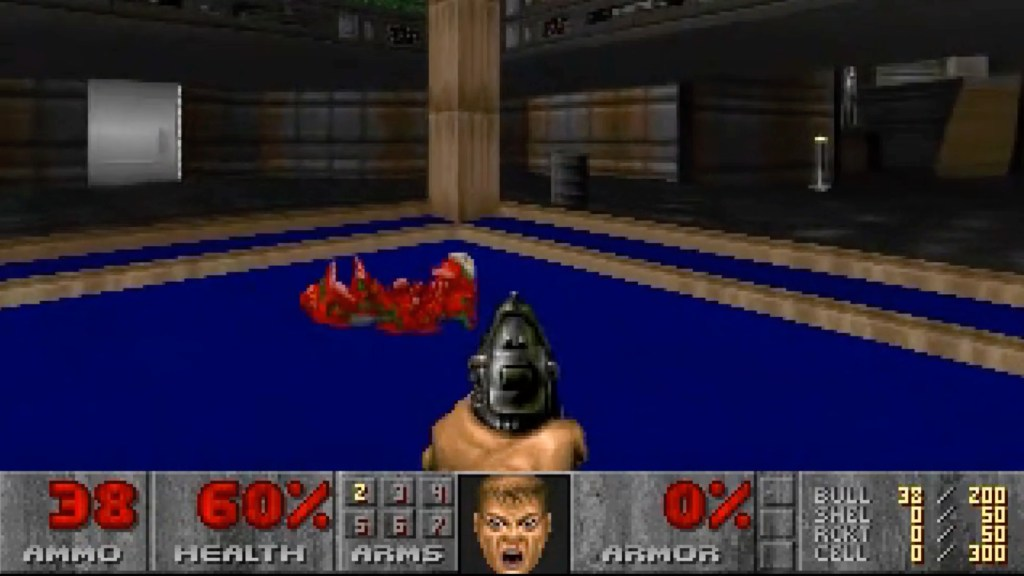
Google researchers have developed a groundbreaking neural network named GameNGen, capable of generating real-time gameplay for the classic shooter Doom without relying on traditional game engines. This innovation marks a significant advancement in artificial intelligence, allowing the simulation of complex environments and fast-paced action at a remarkable 20 frames per second on a single chip. GameNGen utilizes a diffusion model to autonomously manage the game, highlighting the potential for AI to transform how games are created and played.
Key Highlights
- GameNGen is the first AI-driven game engine to simulate a complex video game fully.
- It operates efficiently on a single Tensor Processing Unit (TPU), showcasing high-quality graphics.
- The transition to AI game engines could lower development costs and time significantly.
- This technology could pave the way for new game genres that evolve based on player interactions.
Implications for the Future
The implications of GameNGen extend beyond gaming. Its real-time simulation capabilities could revolutionize industries like virtual reality and autonomous vehicles, where dynamic environments are crucial. As AI technology continues to evolve, it could lead to a future where games adapt in real-time to user actions, creating immersive experiences that were once unimaginable. This shift could democratize game development, allowing smaller studios and individual creators to thrive in a landscape traditionally dominated by larger companies. The blending of human creativity and machine intelligence heralds an exciting future for digital entertainment.