
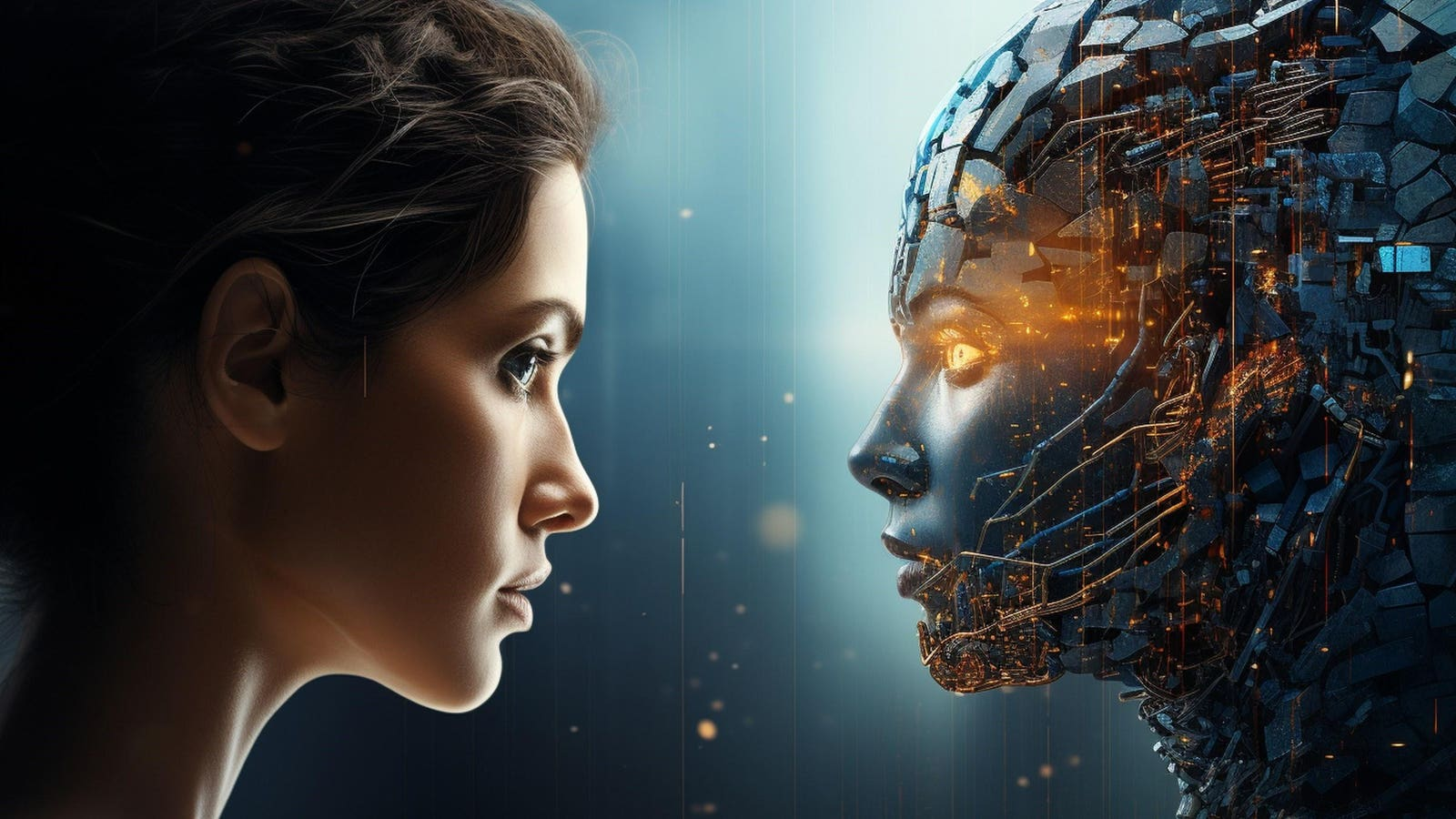
Understanding the AI Landscape
The rise of AI technology has sparked intense debate about its implications for truth and deception. With powerful tools like deepfakes and generative AI, the line between reality and fabrication is increasingly blurred. This situation raises serious concerns about the potential for misinformation to influence public perception and democratic processes. As AI becomes more integrated into our lives, it is crucial to analyze its capabilities and limitations to grasp the true impact of this technology on society.
Key Insights
- AI deepfakes can convincingly manipulate video and audio, raising fears about misinformation.
- Notable instances include deepfakes used in political contexts, aiming to mislead voters.
- Technological solutions exist to detect manipulations, despite the sophistication of AI-generated content.
- Education and public awareness are essential in combating the risks posed by AI misinformation.
The Importance of Vigilance
The challenges posed by AI-driven misinformation are significant, but they do not signify an inevitable collapse of truth. While AI can create realistic fabrications, there are still ways to identify and counteract these threats. Legislative measures and technological advancements can help mitigate risks. Furthermore, fostering critical thinking skills and media literacy from a young age is vital. By equipping individuals with the tools to discern fact from fiction, society can better navigate the complexities of an AI-influenced world, ensuring informed decision-making remains possible.





