
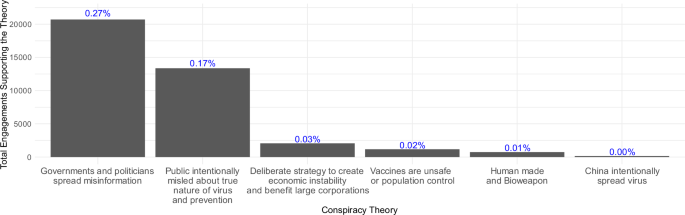
Overview of Findings
This research combines artificial intelligence and behavioral data to explore the risk factors associated with supporting conspiracy theories. By analyzing both self-reported surveys and millions of behavioral data points, the study identifies significant associations that challenge previous assumptions. The focus on conspiracy theories, particularly in the context of political alignment and misinformation, reveals complex dynamics that can inform future interventions.
Key Insights
- Older individuals are more likely to support conspiracy theories, suggesting the need for targeted interventions in this demographic.
- Political extremes (both left and right) show elevated support for conspiracy theories, indicating that this behavior is not limited to one side of the spectrum.
- Psychological factors, such as the tendency to believe in false information, are closely linked to support for conspiracy theories, highlighting the importance of digital literacy.
- Denialism and perceived ability to discern misinformation also play roles in how individuals engage with conspiracy theories.
Importance of the Research
This study emphasizes the need to integrate behavioral data with self-reports to gain a more accurate understanding of conspiracy theory support. The findings challenge existing notions about the demographics and psychological factors influencing conspiracy beliefs. By identifying specific risk factors, the research offers valuable insights for developing effective interventions to combat misinformation and promote critical thinking, particularly on social media platforms. Ultimately, it calls for a broader approach to studying conspiracy theories that goes beyond traditional self-report methods.





