Understanding the Shift in Political Communication
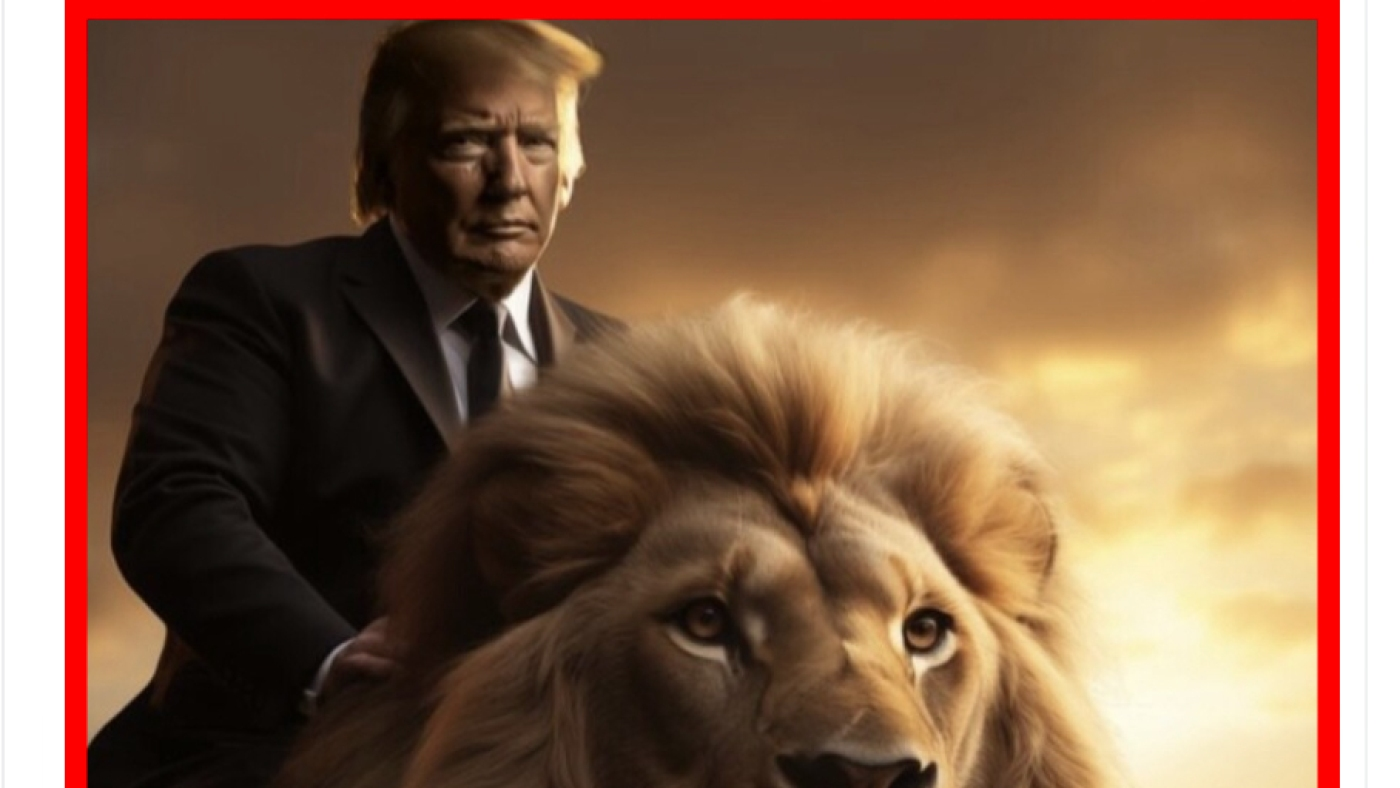
The emergence of AI-generated memes is transforming how political messages are conveyed in the 2024 election. Notably, Donald Trump recently shared a doctored image of Taylor Swift endorsing him, despite her lack of endorsement. This incident highlights the growing trend of using AI to create political content that can mislead or entertain. The use of AI tools allows users to generate images quickly, leading to a blend of humor and misinformation in political discourse.
Key Highlights
- AI-generated images often serve as satire or jokes among Trump supporters, rather than serious endorsements.
- The technology can create convincing depictions that manipulate perceptions of political figures.
- Concerns arise about the potential for AI to produce misleading content that could deceive voters.
- The absence of clear regulations on AI content raises questions about accountability and trust in media.
The Broader Implications
The rise of AI-generated political content poses significant risks to democratic processes. While it may not convert undecided voters, it can deepen divisions among those already polarized. Such content can also mislead or suppress voter participation, creating an environment of distrust. As AI technology evolves, the potential for harmful misinformation increases, making it crucial to address the ethical implications of its use in politics. Ultimately, the ability to discern truth from fabrication may become even more challenging, threatening the integrity of elections.