Overview of the Dilemma
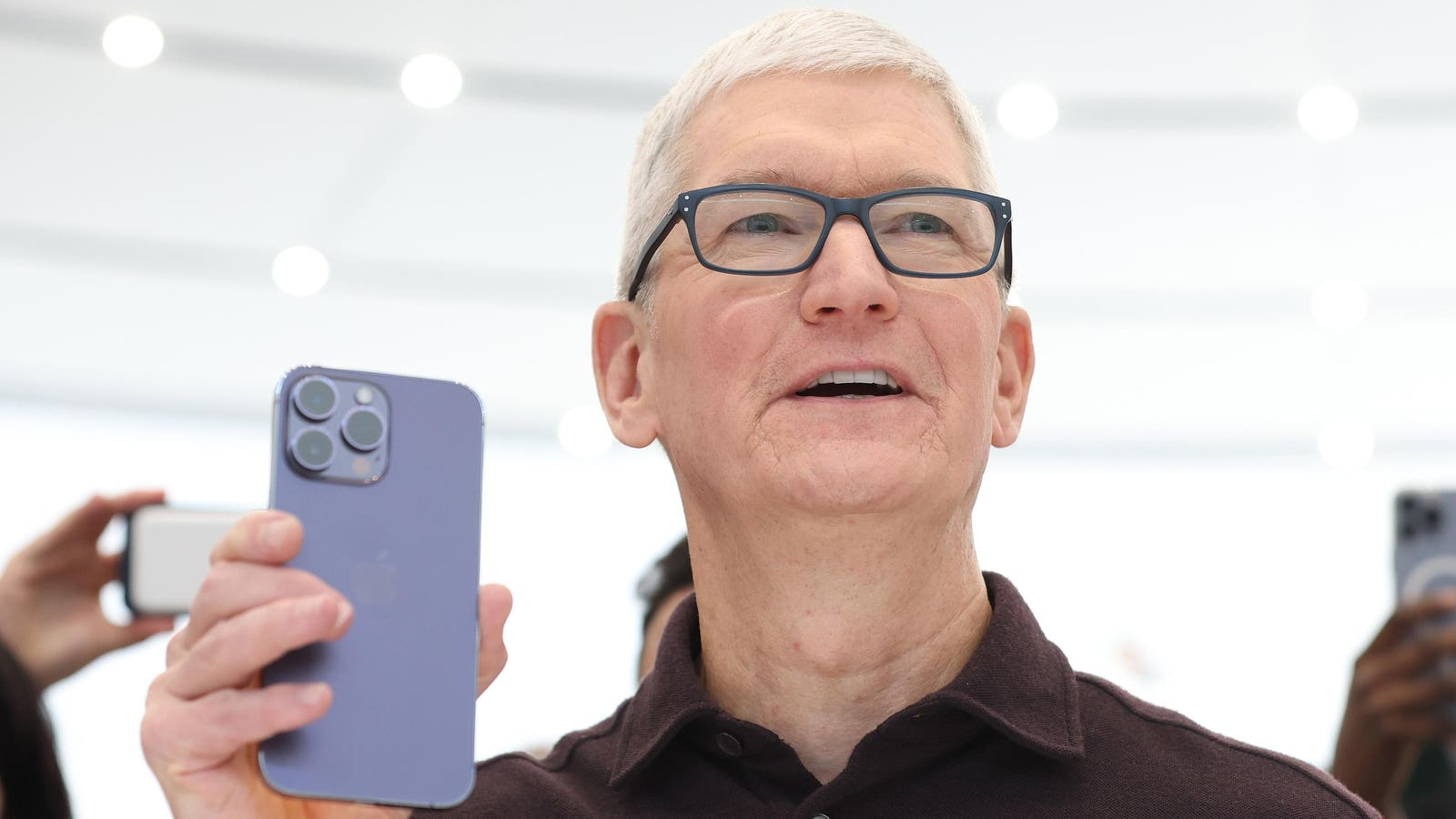
Apple is preparing to launch its new iPhone 16 series, which will likely include generative artificial intelligence features. However, there is a growing concern about the implications of generative AI in everyday technology. While competitors like Google have embraced AI in their products, Apple faces a pivotal choice: to follow the trend or to take a stand against potential risks associated with generative AI.
Key Details
- The Pixel 8 Pro is marketed as the first AI smartphone, setting a precedent for AI integration.
- Apple has historically been late to adopt trends, yet it often presents features with unique branding.
- The California Artificial Intelligence Safety Bill (SB 1047) is pending, aiming to regulate AI development and usage.
- Major tech companies, including OpenAI and Facebook, oppose the bill, fearing it could hinder innovation.
Significance of the Issue
The decision by Apple could influence the future of AI in consumer technology. By possibly limiting generative AI features, Apple could prioritize user safety and set a precedent for responsible AI usage. This approach may encourage a more cautious exploration of AI capabilities, allowing society to better understand and mitigate the risks associated with generative AI. Tim Cook’s leadership could redefine how tech companies approach AI, emphasizing ethical considerations over rapid innovation.