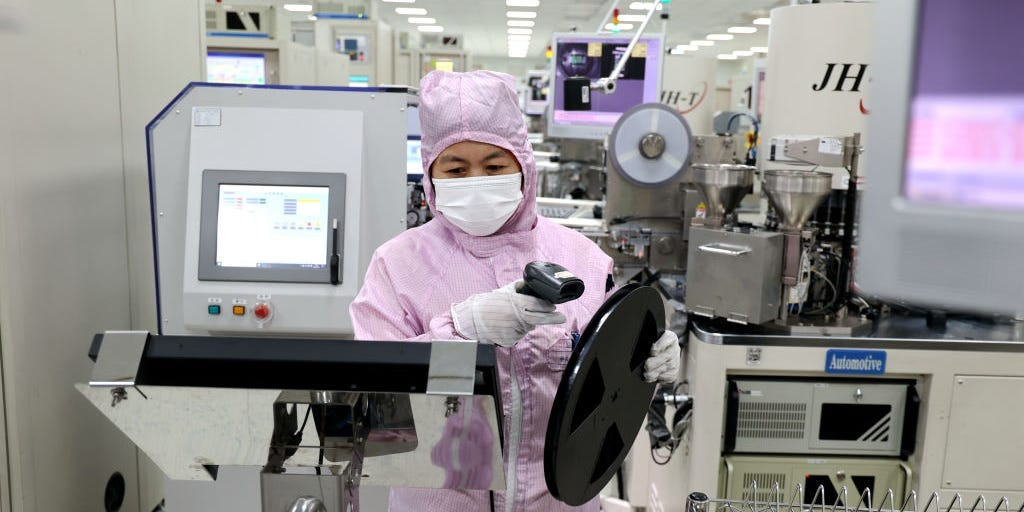
The Semiconductor Industry’s Gender Disparity
The semiconductor industry faces a significant gender gap, with women representing only 20-29% of the workforce. This disparity is even more pronounced in technical and leadership roles, where women’s representation drops to single digits. As the US aims to triple its domestic chip manufacturing and AI continues to grow, addressing this imbalance becomes crucial for innovation and economic growth.
Key Challenges and Efforts
- Education pipeline: Women comprise less than 23% of engineering and computer science graduates, with even lower percentages for minority women.
- Recruitment and retention: Companies are making efforts to expand recruiting pools and implement inclusive hiring practices.
- Leadership representation: Women hold a small fraction of technical director and executive leadership roles in the industry.
- Work-life balance: Demanding schedules and on-call requirements can pose challenges for family planning and childcare.
The Path Forward
Closing the gender gap in the semiconductor industry requires a multifaceted approach. Companies must focus on attracting diverse talent, creating inclusive work environments, and providing clear paths for career advancement. Initiatives like mentorship programs, employee resource groups, and efforts to reduce bias in hiring processes are steps in the right direction. Additionally, addressing work-life balance concerns and providing support for childcare can help retain female talent. As the industry continues to grow, fostering a more diverse and inclusive workforce will be essential for driving innovation and ensuring the benefits of technological advancements are shared equitably.