Understanding the Debate
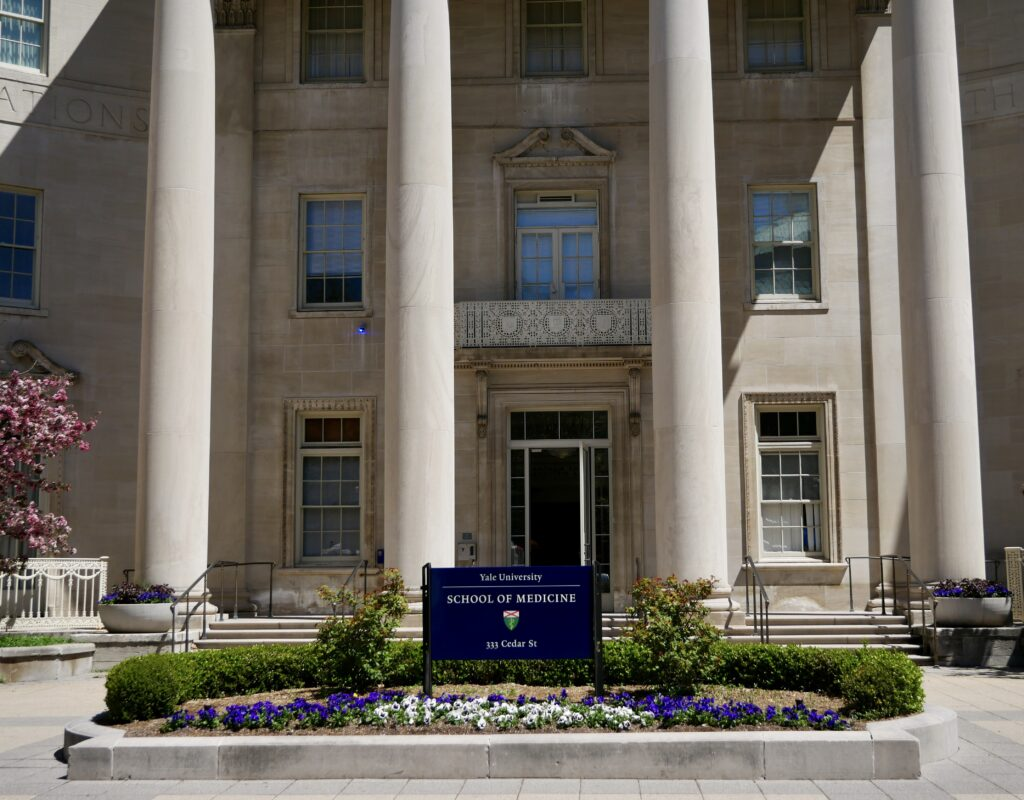
Artificial intelligence (AI) is being considered as a tool to improve breast cancer detection through advanced mammography techniques. While AI has the potential to enhance accuracy, it also poses risks of over-reliance and bias in clinical judgment. The conversation among doctors at the School of Medicine centers on the balance between leveraging AI’s capabilities and maintaining human expertise in diagnosis.
Key Insights
- AI can analyze mammographic images, identifying patterns that may elude human eyes.
- The combination of AI and a human radiologist as a second reader may yield more accurate results than either alone.
- Dense breast tissue remains a challenge for mammography, where AI could offer assistance.
- Caution is advised regarding over-dependence on AI, as it may introduce biases to clinical judgment.
Significance of AI in Medicine
The integration of AI in mammography could lead to more personalized and accurate screening recommendations for women at risk of breast cancer. While AI shows promise in improving detection rates, the emphasis remains on using it as a supportive tool alongside experienced radiologists. This approach ensures that the human element of medical judgment is preserved, ultimately aiming for better patient outcomes in breast cancer screening. The ongoing exploration of AI’s role highlights the need for careful implementation in clinical settings.