Understanding the Threat
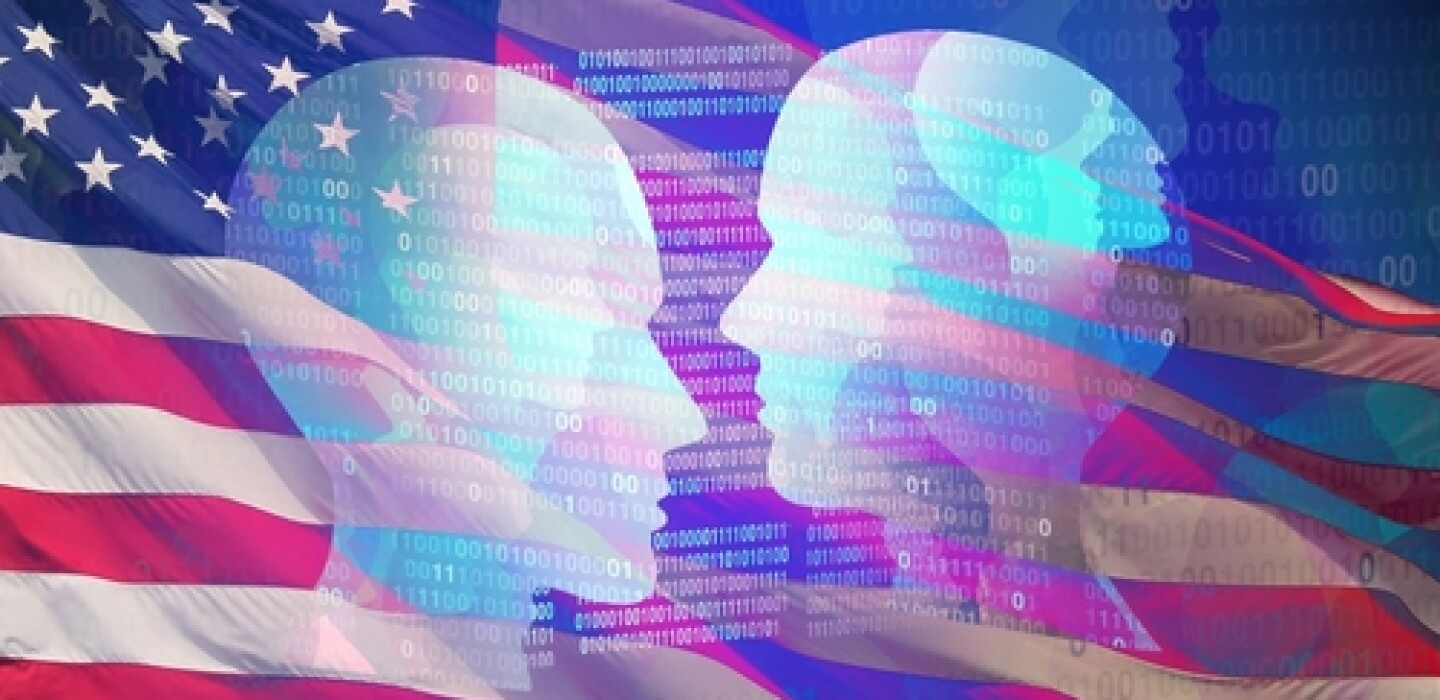
As Election Day approaches, concerns about the use of artificial intelligence (AI) in political campaigns are rising. Senator Richard Blumenthal is warning voters that many campaign ads may not be authentic. He demonstrated how AI can create deep fakes that sound and look like real people, including himself. With the technology becoming more accessible, even those with limited technical skills can produce misleading content. Recent legal cases, such as the charges against a political consultant for creating fake recordings of President Biden, highlight the potential dangers of AI misuse in elections.
Key Points
- Blumenthal is advocating for new regulations to combat AI-generated misinformation in political ads.
- He proposes that callers using AI must disclose this fact during calls, aiming for transparency.
- The AI Transparency in Elections Act would require disclaimers on political ads that use AI-generated content.
- Concerns extend beyond domestic issues, as adversaries may also exploit AI to disrupt electoral integrity.
Why This Matters
The rise of AI technology poses significant risks to the democratic process. Voters need to be able to trust the information they receive, especially during elections. Without proper regulations, the potential for deception increases, which can manipulate public opinion and undermine the electoral system. Blumenthal’s efforts aim to create a safer environment for voters, ensuring they can discern genuine messages from AI-generated fabrications. It’s essential for voters to remain vigilant and verify unexpected information, especially as Election Day approaches.